Versace after Alaïa: what Pieter Mulier will do with bondage
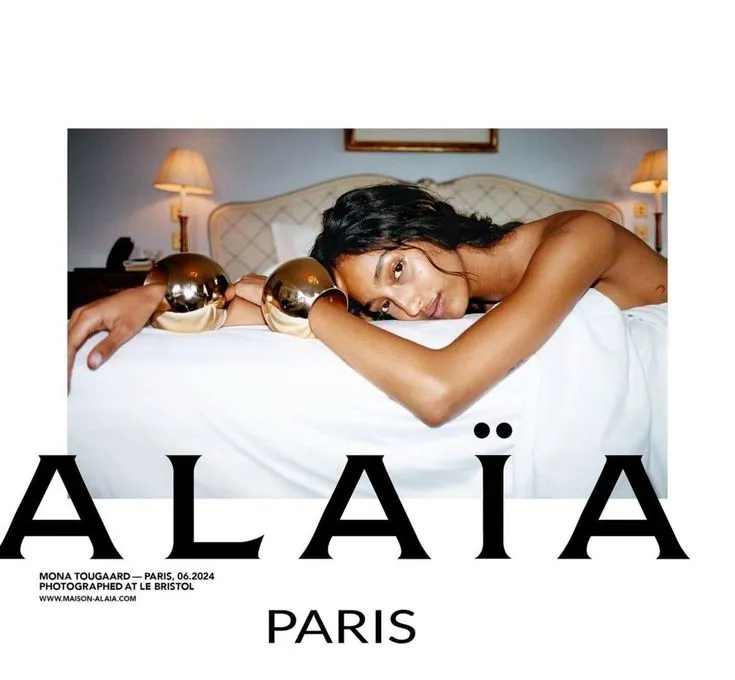
Alaïa and Versace: two opposing visions of sensuality that pulled fashion out of the drawing rooms of the wealthy and into the reality of the body. Mulier and Vitale: the two heirs?
Cindy Sado-Maso: Gianni Versace brought bondage into fashion
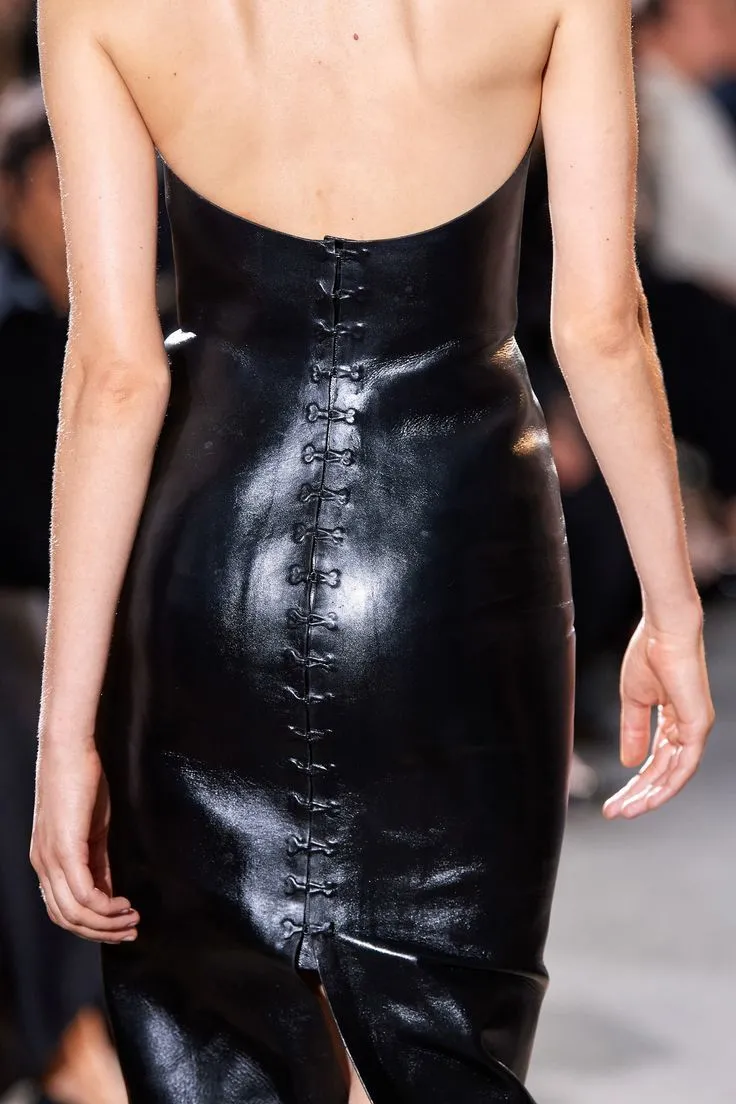
1992. A tag on Cindy Crawford’s hanger reads Cindy Sado-Maso. It refers to the ensemble hanging below, bearing a Gianni Versace label: a technically perfect harness-corset paired with a studded leather skirt. The dominatrix look, no longer confined to the back rooms of S&M culture, was emerging as couture aesthetic for bourgeois women. Versace’s own life was regal. He threw rock and roll parties at a neoclassical villa on Lake Como packed with Empire antiques and famous guests — Madonna, Prince, George Michael, Bruce Springsteen, Lenny Kravitz. Among his influences he cited his mother, a seamstress from Reggio Calabria, and the prostitutes who lived on his childhood street. He was not the only designer working in fetish couture, but his clothes, more than anyone else’s, suggested specific sexual practices. Azzedine Alaïa’s, by contrast, were about bodies displaying their own sensuality. “It’s the look of opulence on the verge of becoming squalid. Very fin de siècle,” wrote Camille Paglia in Sex, Art and American Culture.
When Versace and Alaïa began their careers in the seventies and eighties, designer fashion was a dusty world. The clients were wealthy people detached from what was happening on the street, in art, in cinema. Both found their inspiration there anyway, forcing even the most reluctant customers into an awareness of the world outside. Where Alaïa’s name came to represent, for many, a rare synthesis of craft, classicism, and contemporaneity, Versace was routinely mistaken for vulgarity — largely because of the way baroque themes translated into something loud and almost deranged. That tension is the drama at the center of his legacy. It is also the inheritance that Pieter Mulier, until recently Creative Director of Maison Alaïa, now has to reckon with as the incoming Creative Director of Maison Versace.
Dario Vitale: from the runway to the bed of Maison Versace
Before Mulier, there was Dario Vitale. In his extremely brief tenure — following Donatella Versace’s exit in 2025 — Vitale reinvented the concept of sexual allusion. Trousers pulled high and belted tight against the crotch. Buttons left open on the fly, like an invitation. Muscle tees cut off at the arms. Minidresses that didn’t close at all. Annie Lennox playing in the background. There was no Medusa symbol, no logo — but disorderly, furtive sex, the kind consumed in the back seat of a car, was everywhere. Vitale sidestepped the house codes with something close to mastery, capturing instead something more libidinal. The collection was presented at the Pinacoteca Ambrosiana — a 17th-century private residence turned museum, its walls hung with marble, mosaics, and paintings including a Caravaggio — surrounded by domestic furniture: a mattress, old chairs, unmade sheets. The concept was simple: if Gianni Versace dressed gods, Vitale wanted to dress people.
Donatella, following her brother’s logic, had spoken of sex in almost fantastical terms — addressing glamour goddesses and Amazons. Vitale walked the brand into the bedroom and proved he could make a perfect black cocktail dress in ruched silk. But more than that, he demonstrated how hungry people are for clothes that register real desire — the little black dress not on the red carpet but outside a basement bar in Milan at 2am. A sexuality that is relevant rather than performative. His show — which was not even supposed to be a show, only a presentation — became one of the most discussed fashion moments in recent memory. Which is precisely why his dismissal, in the immediate aftermath of Prada Group’s acquisition of the Versace brand, was so disorienting. And precisely why the question of whether Pieter Mulier can do better is worth asking seriously.
Pieter Mulier: sensuality is not a naked body
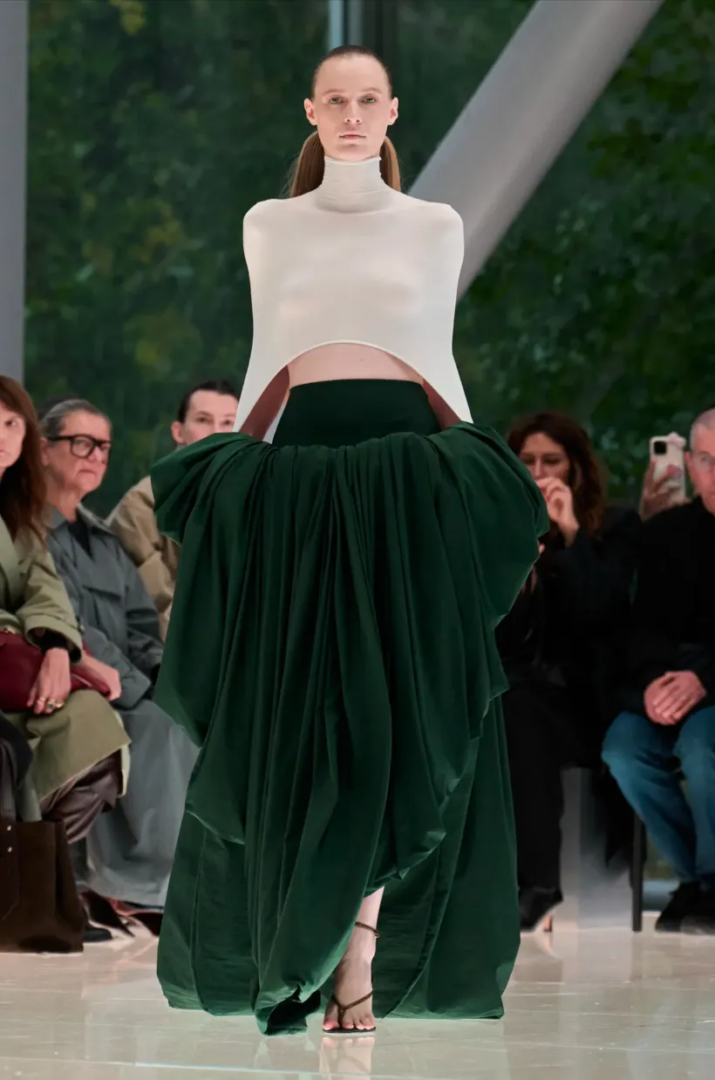
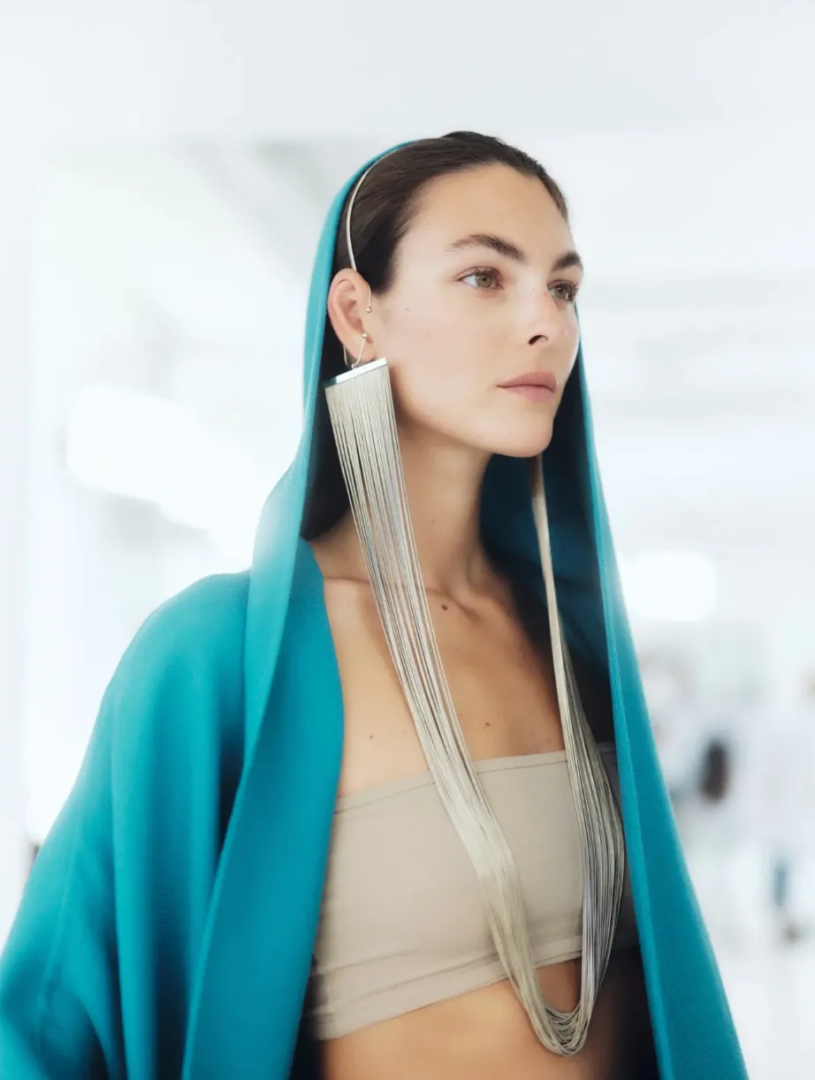
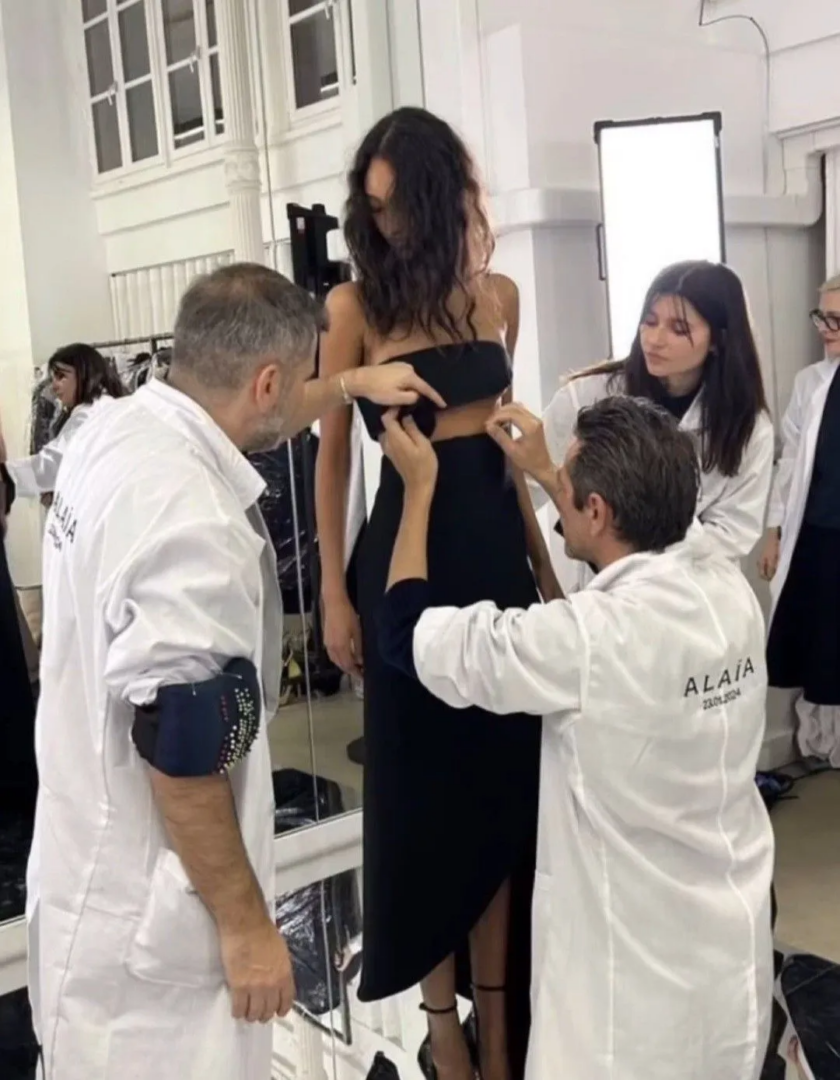
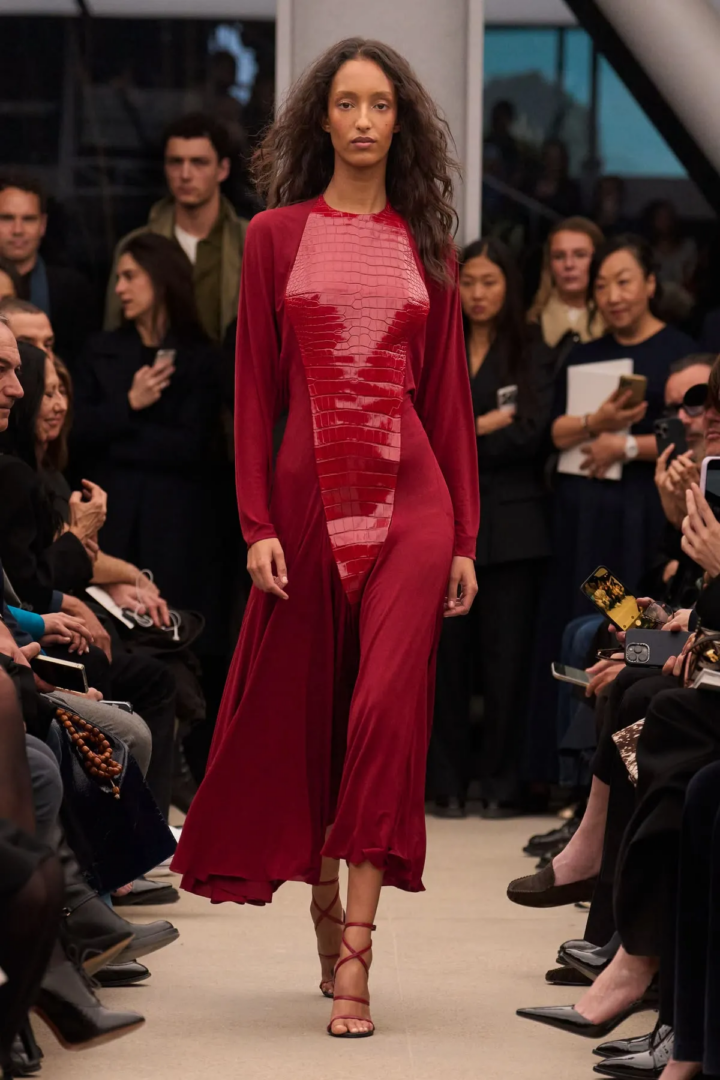
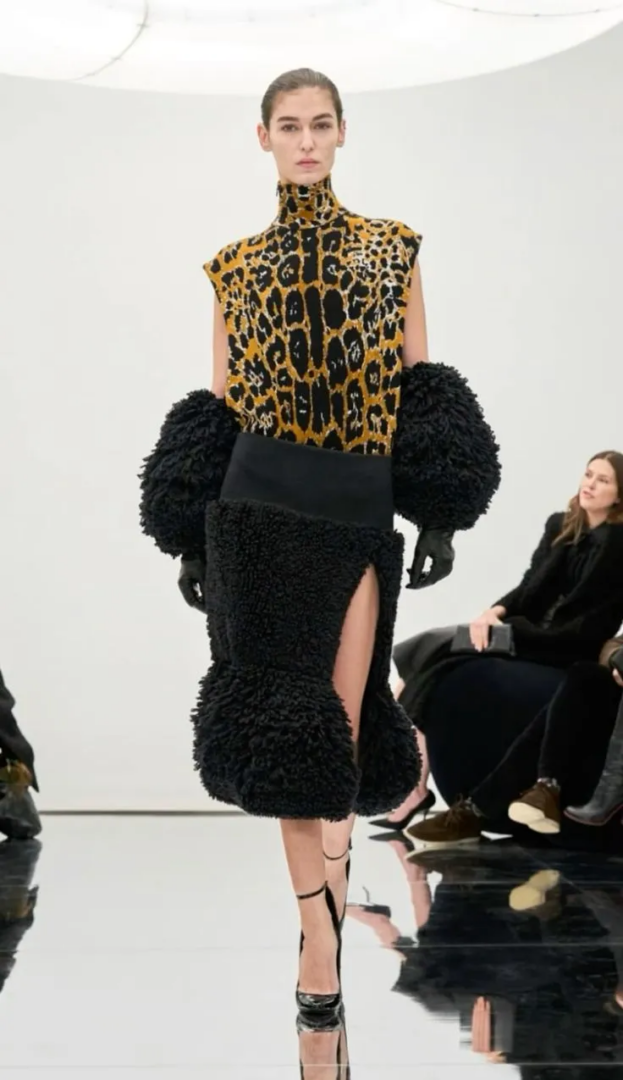
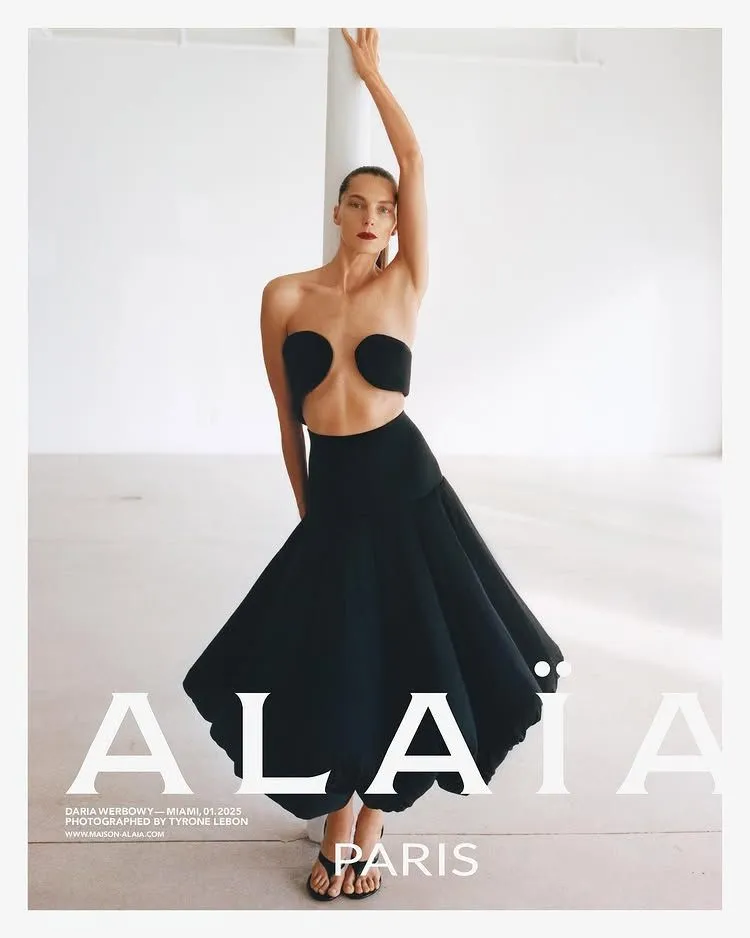
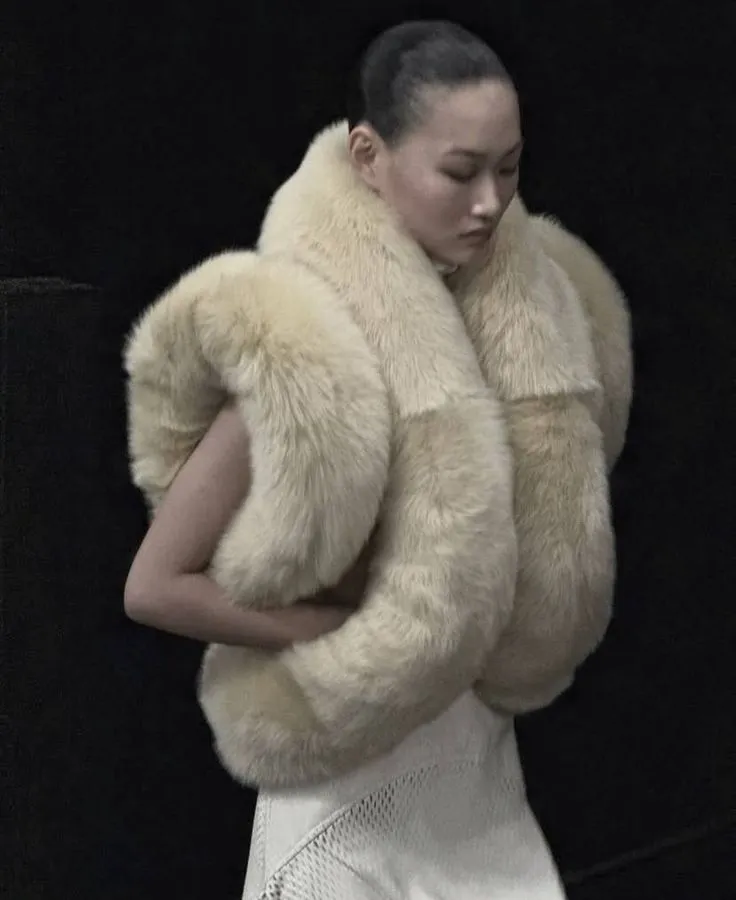
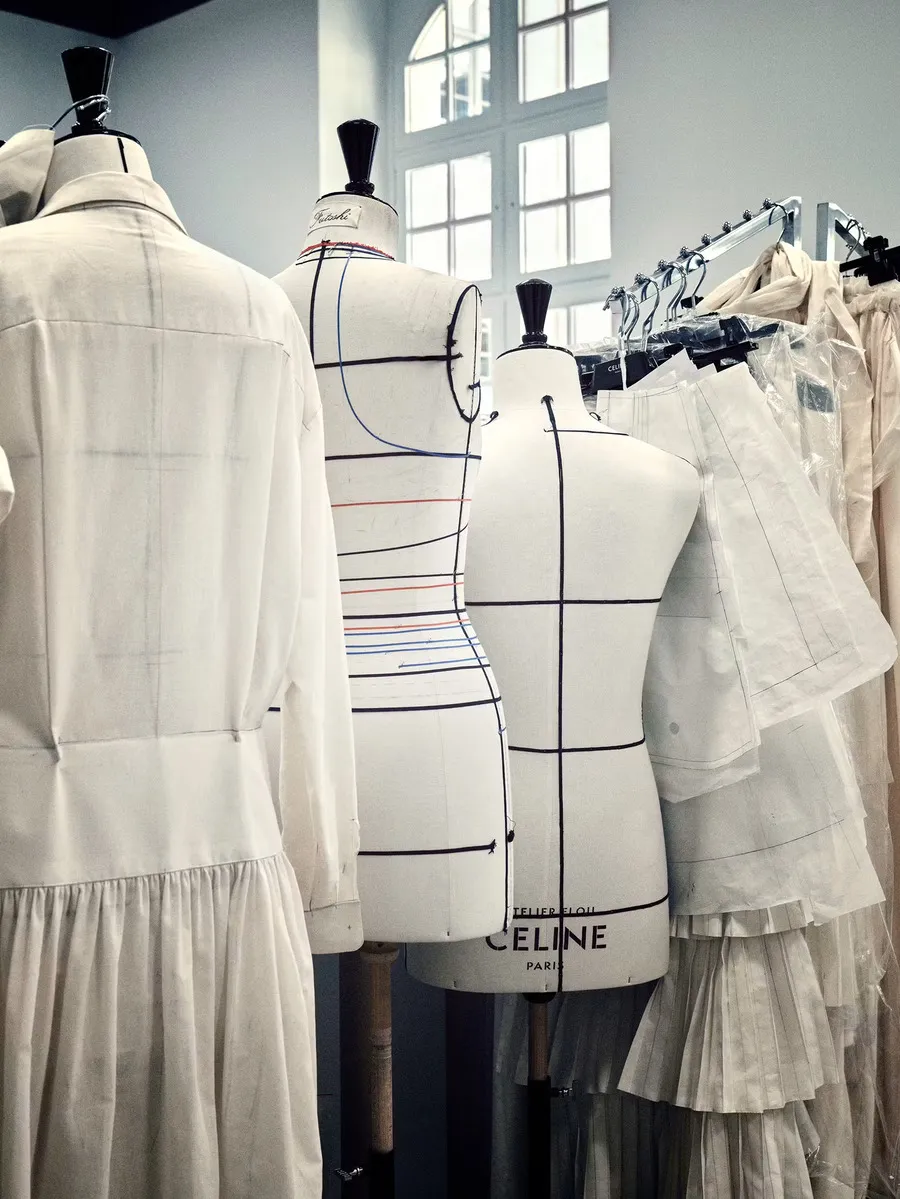
Azzedine Alaïa never studied fashion. He studied sculpture. He called himself a bâtisseur — a builder — even though his clothes had no rigidity whatsoever. In 1980 he produced a collection entirely in leather, studded with eyelets. He pulled the material against the body, giving it a new softness and sensuality. The shoe manufacturer Charles Jourdan, who had commissioned the collection, found it excessively sexual and cancelled it. Alaïa produced it anyway, under his own name. Sex interested Alaïa — as it interests everyone. As the first creative director to succeed the founder, Pieter Mulier stripped the house back to its bones. What remained was sex: “Alaïa is the only maison that can express sexuality without being vulgar. Here in the atelier, when they create something sensual — almost explicitly sexual — it is simply beauty. That is the strength of this house.” Many Alaïa garments — conceived as three-dimensional, sculptural objects — can only be fully understood through physical contact. Clothes whose surfaces are composed of interconnected pattern fragments feel at the touch like an alternation of muscle and skin. Mulier’s own work is far from a slavish copy of the archive, but it is sexual in a similar way. It has to be touched to be understood. A gauze veil fixed to an impalpable sole; glossy pony skin quilted along the body’s contours with rounded shoulders or seams marked like scars. Precision, too, can be sexual.
Pieter Mulier: a single register of semi-subtle eroticism
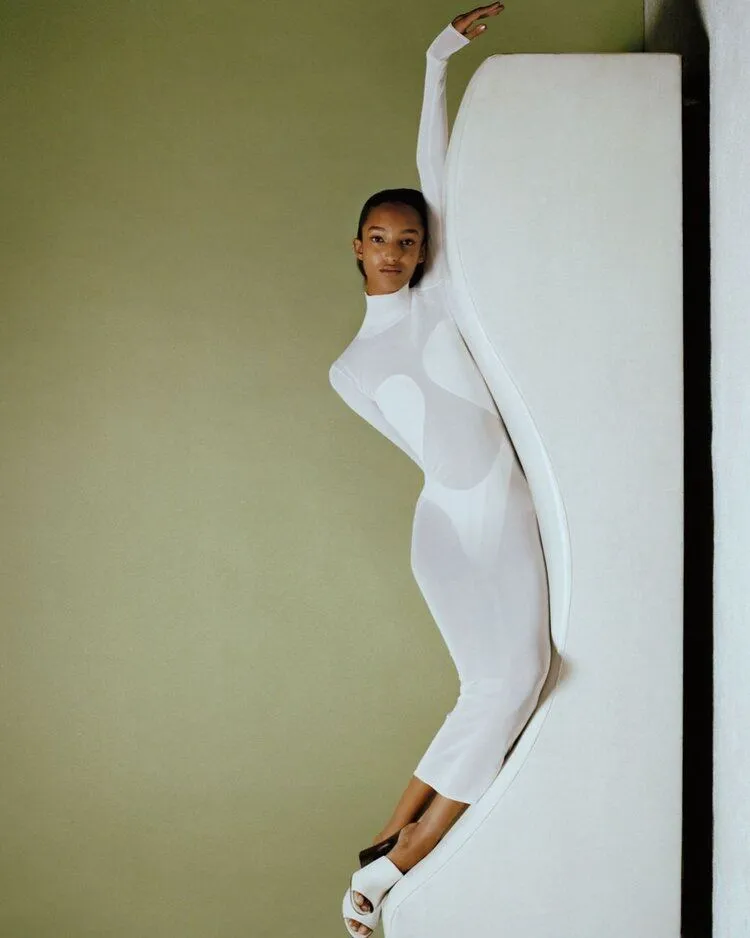
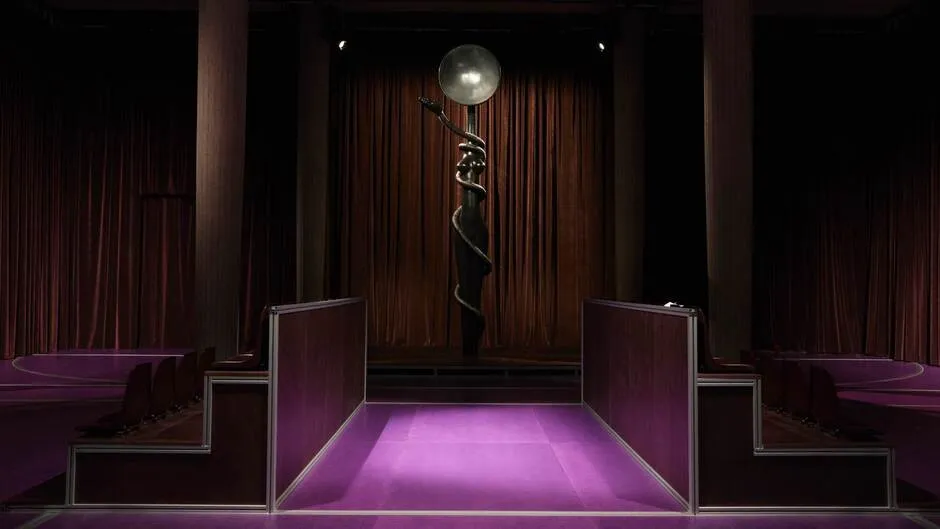
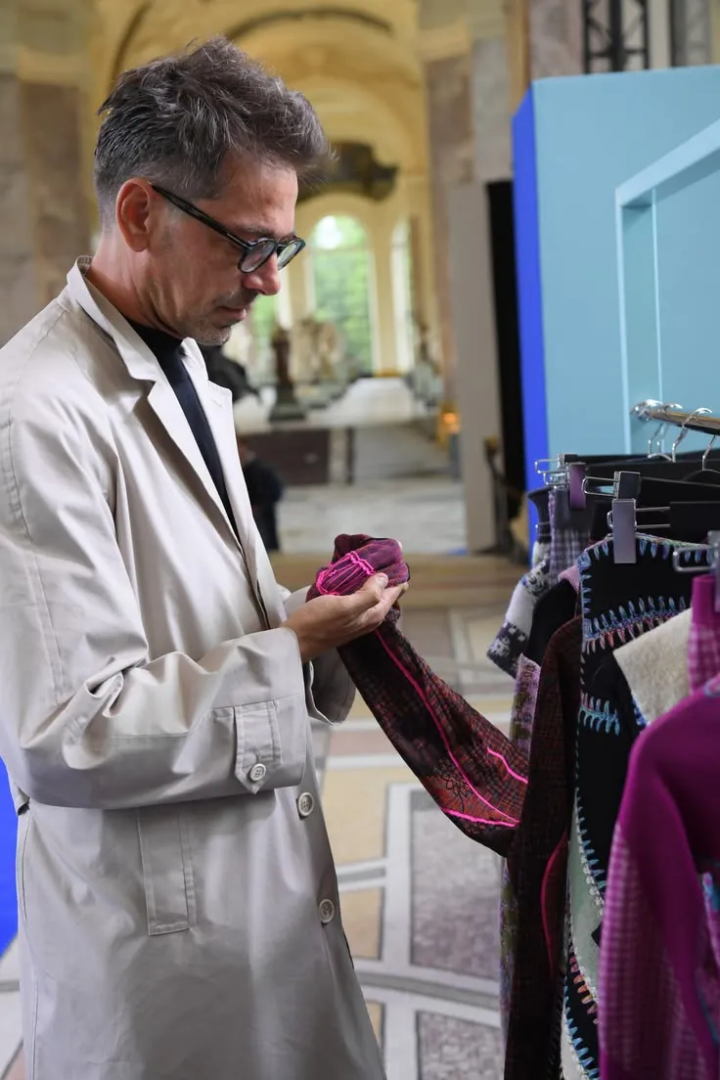
One of Mulier’s achievements as Creative Director of Maison Alaïa — from 2021 to July 2026 — was returning the body-con to the center of fashion’s conversation. He did it with stretch tank dresses in cotton knit and velvet, a single seam tracing the curve of the hip. A reductive, essential reading of Alaïa, presented last March in a stripped-back installation at the former Cartier Foundation, which some called le minimum syndical — the bare minimum. In reality it was the elimination of everything superfluous: clothes so close to the body they seemed to twist even on the hanger. Openly sexual constructions, like a suture crawling across the erogenous zones. By removing everything and leaving only a single frequency of semi-subtle eroticism, Mulier said goodbye to Alaïa before walking into Versace’s trophy room.
After Monsieur Alaïa’s death in 2017, the consensus was that he was irreplaceable — a collector whose Maison had always been a home more than a brand. His first shows in the eighties were held in a micro-apartment on rue de Bellechasse on the Left Bank, with the audience seated in the living room and him ironing pieces in the kitchen. Later he moved to his house in the Marais: a 750,000-square-foot residence whose chairs belonged in a museum. He was known for his hospitality — he lived above his cavernous store, and guests who came for a collection preview often stayed for couscous. A transgressor of almost every rule in fashion, he showed his clothes only when he believed they were ready. The magic was unrepeatable.
Mulier pulled off a spell of his own: he absorbed the house’s stylistic vocabulary and transformed Alaïa from a passion project into a label with genuine it-pieces — the mesh ballet flat, the Le Teckel shoulder bag. By the end of his tenure, sales at Richemont Group — which owns the brand — had grown 11% year-on-year at constant exchange rates, reaching €6.4 billion in the third quarter of 2025. He honored the founder while remaining himself: experimental and wearable at once, unusual without abandoning measure — like dresses wrapped in a spiral around the body, leaving skin exposed in the manner of the Solomon R. Guggenheim Museum rotunda.
The bandage dress: corrosive acid on power dressing
Azzedine Alaïa, born in Tunis in 1935, trained as a sculptor at the École des Beaux-Arts. He applied that training directly, replacing marble and bronze with fabric tamed into static, plastic form. He loved what he called le mouvement statique — static movement — an oxymoron made literal through the systematic use of corsets, hourglass silhouettes, and tubes. Traditional shapes retrieved from the archive of culture and subjected to genetic mutation. He absorbed Dior’s spirals, Balenciaga’s morphologies, Vionnet’s draping — a kind of temporal channel-surfing — then cooled everything into static volumes gripped to the body. He dusted yarns with cement powder. He went so far as to mummify fabric. In 1985, the first bandage dresses hit power dressing like corrosive acid. This was a different kind of feminine assertion: no structured suit, no padded shoulder, no elongated sleeve. Against the fashion for maximizing the space a woman’s body occupied — particularly in the workplace — Alaïa designed clothes that wrapped the body like liquid. So close to the skin they fused with it into a single statutory form.
In Alaïa’s thinking, the bandage dress was celebratory. It was received as a revolution against the padding of the past — the cultural result of a research practice aimed at emphasizing the body rather than correcting or minimizing it. The invention earned him the Créateur de l’Année prize at the Oscars de la Mode. But as so often happens when fashion is absorbed into the everyday, the bandage dress was eventually swallowed by trend. The nineties turned it into a wellness culture fetish, spread across aerobics VHS tapes by fitness queens. A vacuum bag for supermodel bodies. Carried into the mainstream and thrown into mass distribution, by the 2000s the bandage dress had ceased to be the expression of body-con — body consciousness — that its creator had intended. The point was made explicit when Patrick Couderc, CEO of Hervé Léger, condemned its use by women with “very prominent hips and very flat chests.” In his view, to wear a bandage dress one needs curves — but not, for God’s sake, too many. Which tells you a great deal about the complicated relationship fashion companies maintain with ordinary people.