Portrait Milano and the Sunday ritual of 10_11
At 10_11, the courtyard between Corso Venezia and Via Sant’Andrea becomes the setting for a weekly Sunday brunch inside one of Milan’s historic complexes
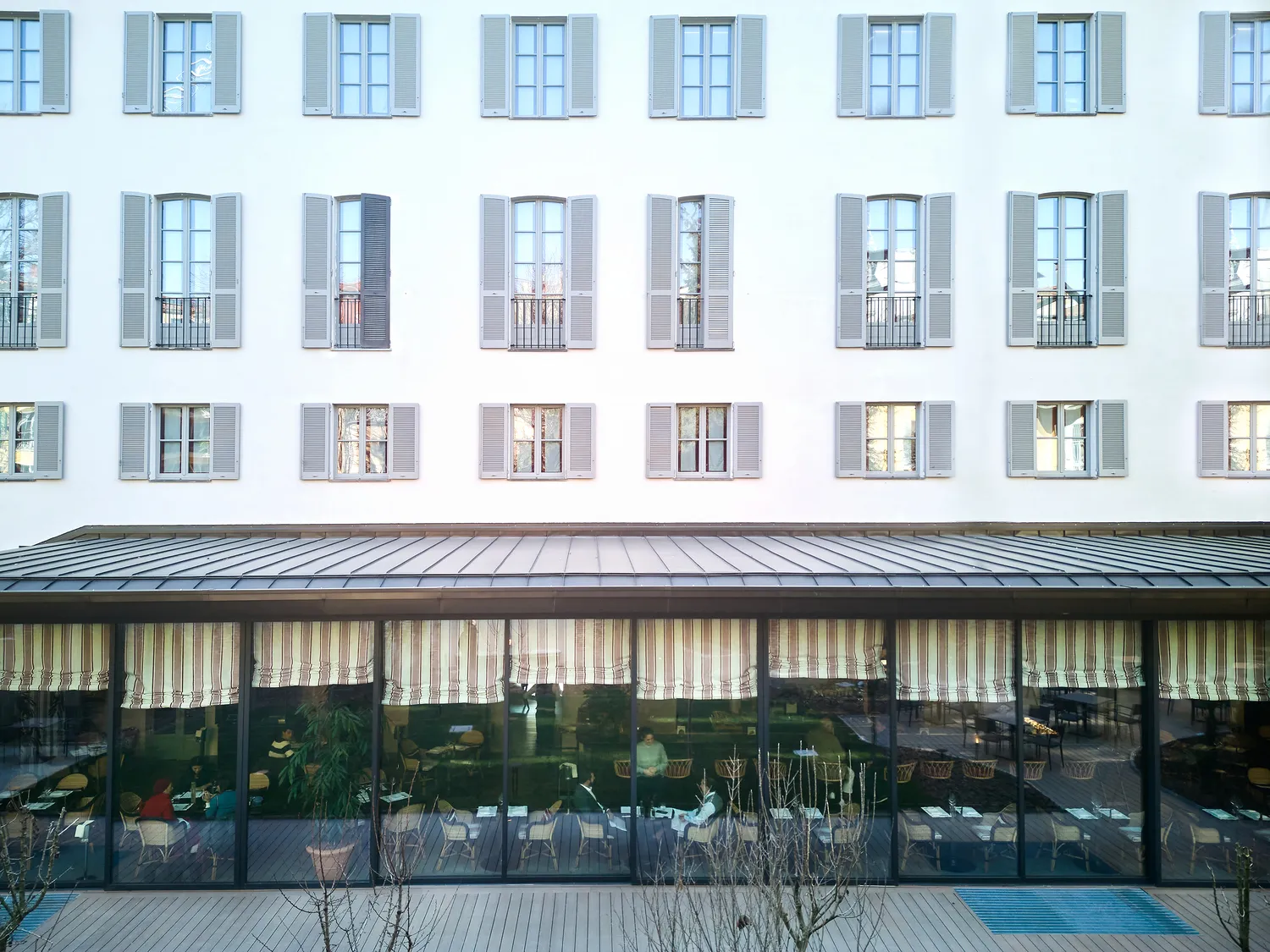
10_11 Bar Giardino Ristorante, the restaurant of Portrait Milano, serves brunch every Sunday from noon to 4pm. It takes place in the winter garden, a glazed room whose windows face the garden, and in the warmer months in the garden as well. The restaurant is part of the former Archiepiscopal Seminary on Corso Venezia, one of the oldest buildings in the Quadrilatero. For more than four centuries, the Church kept its courtyard closed to the city. It has been open to the public only since December 2022, when the Ferragamo family’s Lungarno Collection turned the seminary into a hotel.
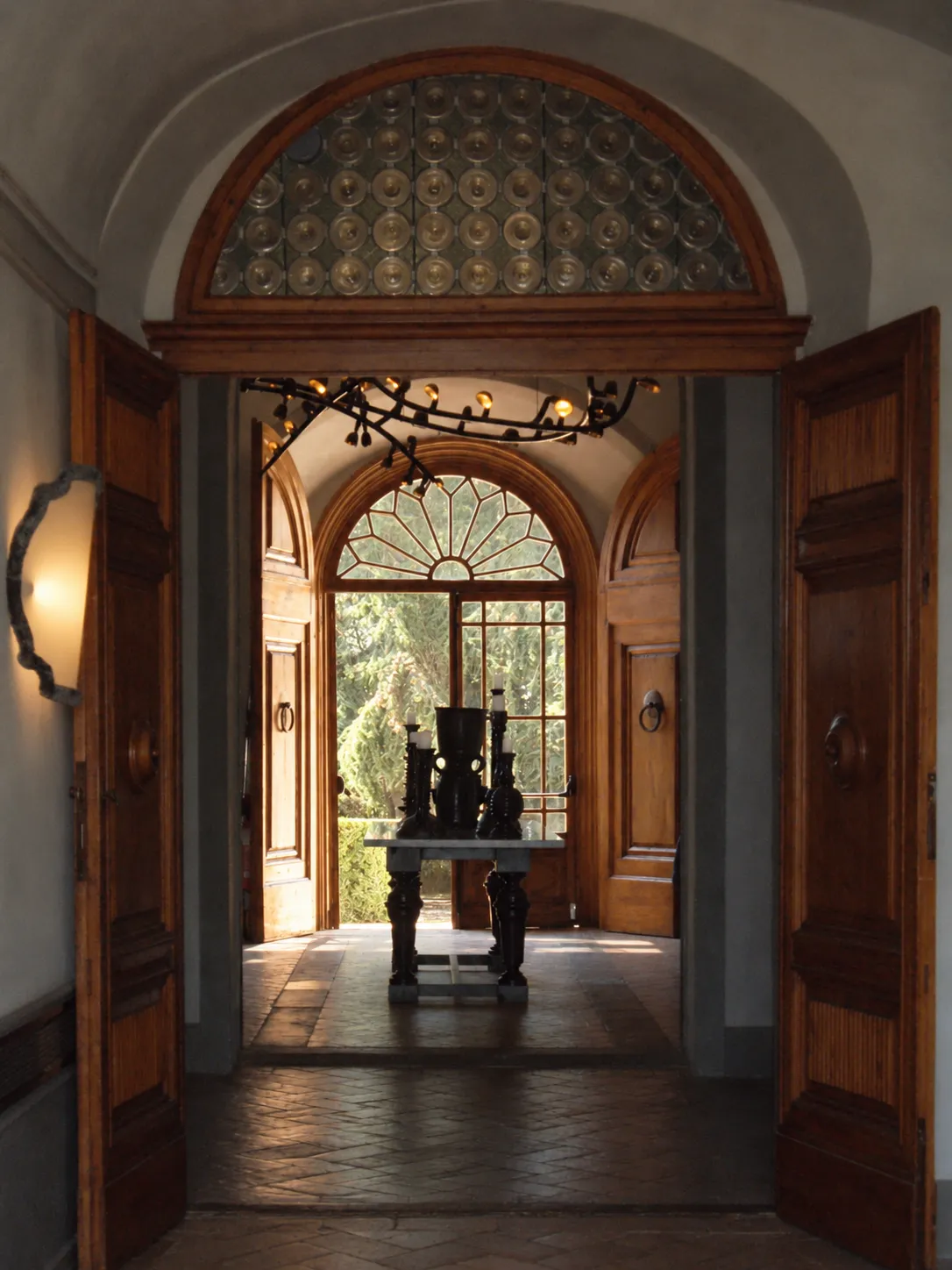
The brunch is one of the occasions to spend several hours in the building without staying there. 10_11 occupies the north side of the courtyard, and its name comes from its two entrances: Via Sant’Andrea 10 and Corso Venezia 11.
10_11 Portrait Milano: between Corso Venezia and Via Sant’Andrea
The two doors lead to different cities. Corso Venezia, once the Corso di Porta Orientale, is a wide road of aristocratic palaces and shop windows. Via Sant’Andrea, instead, is narrow and quiet, with Palazzo Morando and its fashion collections at number 6. The restaurant keeps both characters. Its Corso Venezia side faces the traffic, while the Sant’Andrea side stays discreet.
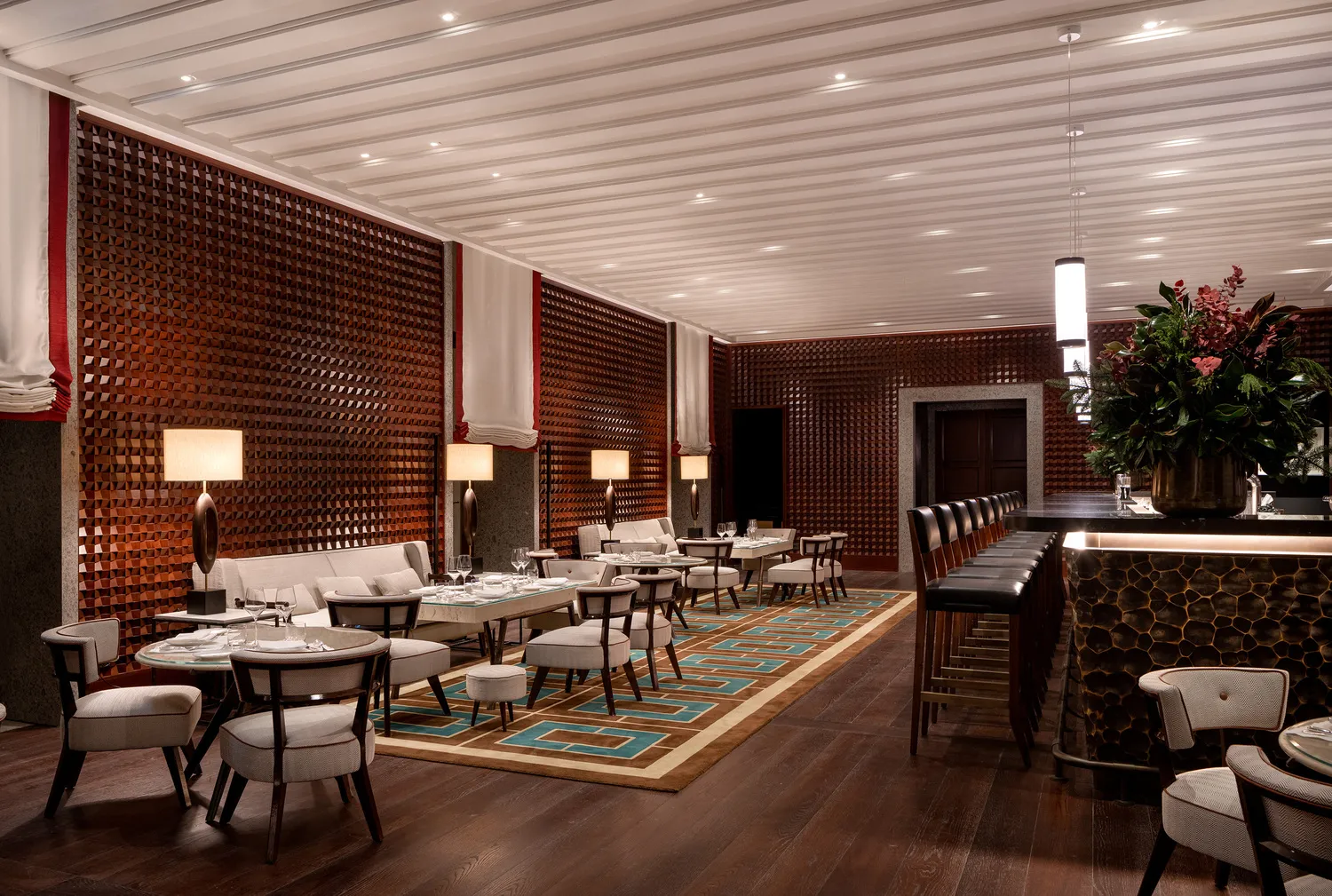
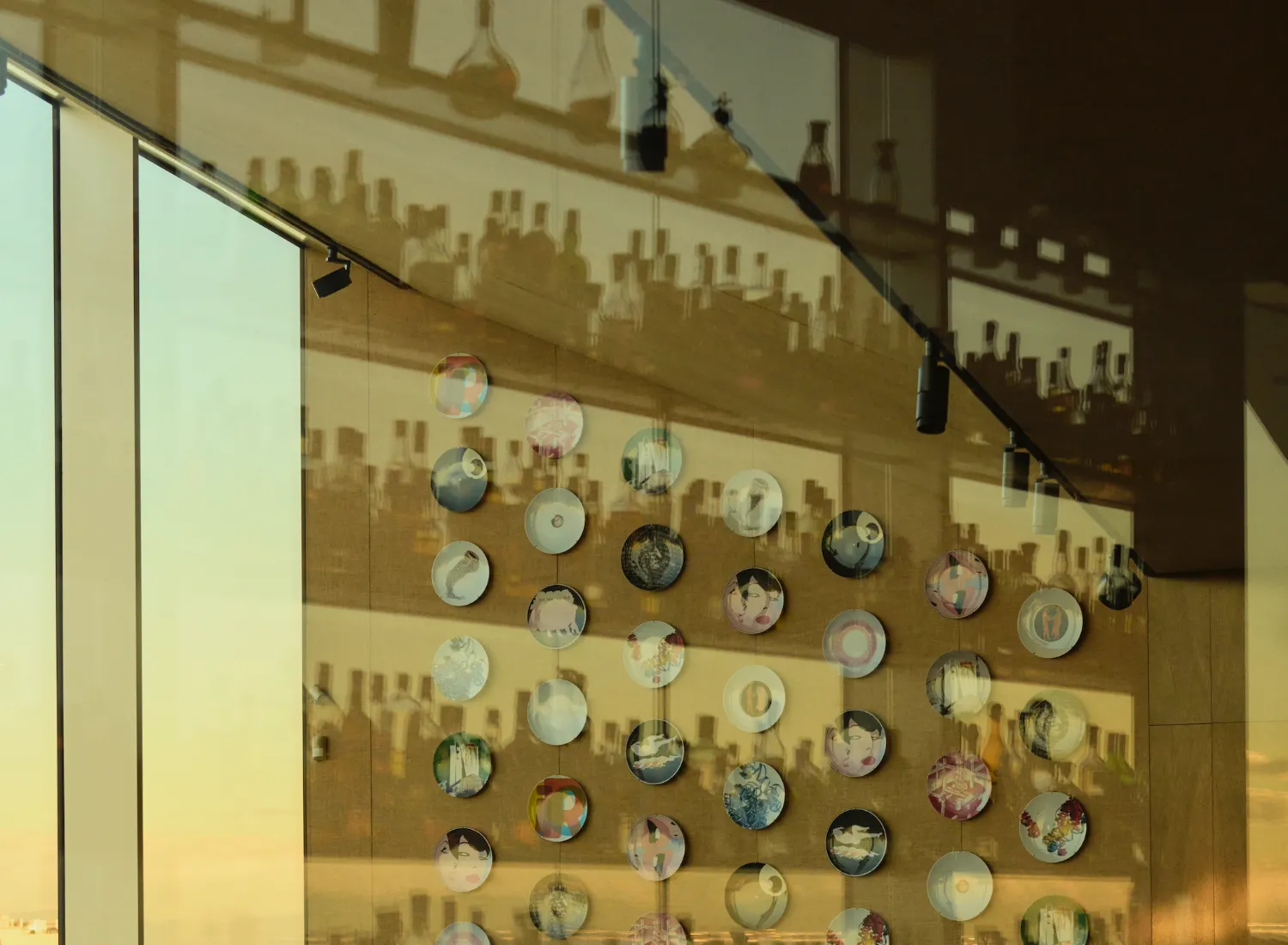
Michele Bönan’s interiors for 10_11
The Florentine architect Michele Bönan designed the interiors. Since 1995, when he did Hotel Lungarno in Florence, he has worked for the Ferragamo hotels. He usually draws the furniture and lamps himself and picks art and antiques in person. He describes his job in terms of cinema: “I am the director of a movie. The property, the location, the client: they all become parts of a film.”
At 10_11, the film runs in sequence: loggia, garden, restaurant, bar. At its centre, two bars face each other, one indoors and one outdoors, so the room continues into the courtyard. Italian craftsmen built the fittings. The building is monumental, and Bönan’s task was to bring it down to the scale of a table. Leonardo Ferragamo, president of the Lungarno Collection, chose him for exactly that, “the ability to recreate a splendid muffled and intimate atmosphere, in contrast with the monumentality.”
The garden at Portrait Milano: fruit trees, a fountain and a statue of Christ
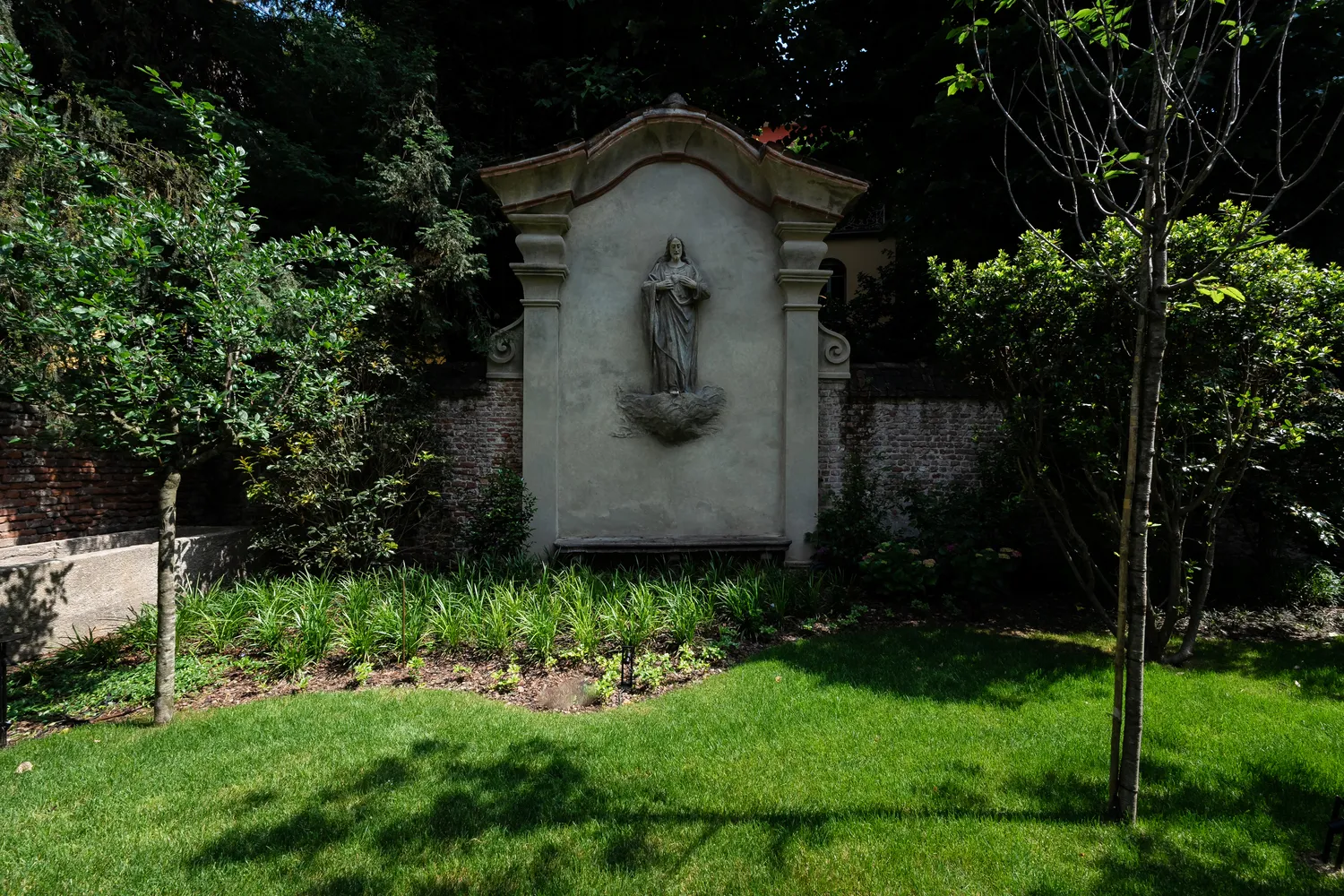
The garden also has a story to tell. On its right side, the designers planted fruit trees where fruit trees once grew, so the planting recalls the old seminary garden. They chose the other species after a study of Milan’s urban greenery. As a result, the garden holds plants that already grow in the city. The statue of Christ and the fountain beside it are original to the seminary. Both survived the conversion.
The Archiepiscopal Seminary of Milan, from Carlo Borromeo to Richini
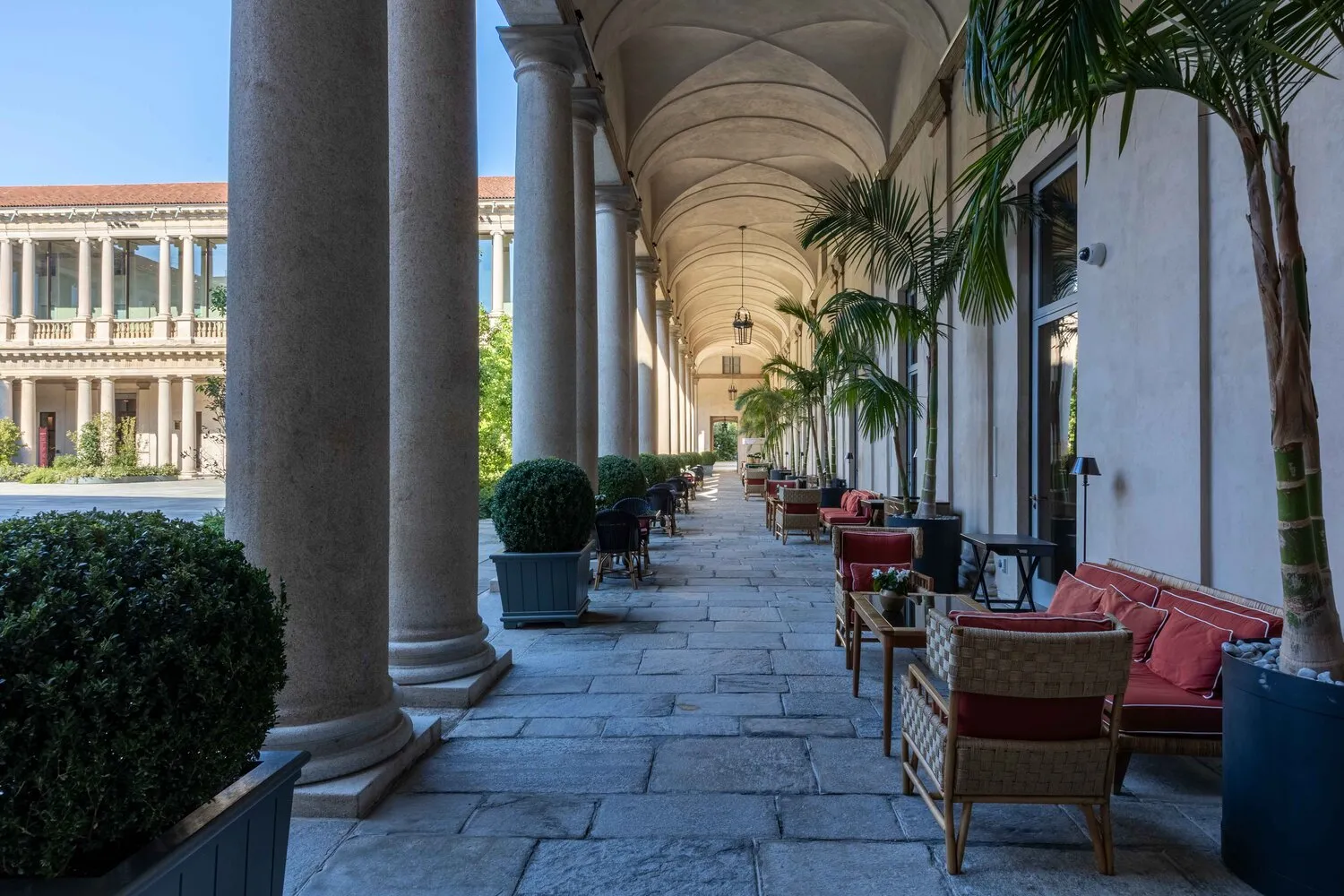
The architecture around them is older than most of the city centre. Carlo Borromeo founded the seminary in 1564, a year after the Council of Trent asked every diocese to train its own clergy. Milan’s was among the first in Europe. Under his cousin Federico, in the early 1600s, the complex took its present form. The courtyard measures 56 metres on each side, with two tiers of paired columns, Doric below and Ionic above. In the 1630s, Francesco Maria Richini added the portal on Corso Venezia. Above the door, a single word carries the Borromeo motto: Humilitas.
The building has changed hands more than once. In 1796, the French turned it into a prison for Austrian soldiers. Later, the seminary returned, then moved out to Venegono in the late 1920s. After the war the diocese used the building for its theology faculty, until the early 2000s. Then it stood empty.
Sunday brunch at 10_11: the buffet as architecture
Back in the garden, the kitchen works in the present tense. Luigi Cinotti, the executive chef, cooks seasonal Italian food. Cesare Murzilli, the executive pastry chef, bakes cakes, leavened doughs and desserts every day.
On Sunday, their work takes the form of an architecture project. The buffet rests on one large table, and it follows the same logic as the building around it: order and repetition. Through the four hours of service, the staff rebuild it as it empties, so the composition holds from the first guest to the last. Next to the table, baskets of fruit and vegetables wait for the guests, who fill them and hand them over to be pressed into juice. Two trolleys move between the tables, one for the Bloody Marys at the start and one for the cheesecake at the end, which the waiter cuts at the table.
The Ferragamo family, Portrait and the restoration by Michele De Lucchi
The Ferragamo family came to hospitality in 1995, with Hotel Lungarno. In 2012 it launched Portrait, a brand of small hotels in central locations, in Florence and Rome. Milan is the third. Leonardo Ferragamo, son of Salvatore, describes the Milan project as a wish to open a closed place: “The desire to share this secret was immediate.”
Getting there took years of talks with the diocese and the heritage authorities, and the pandemic added delays. Michele De Lucchi and his studio AMDL Circle led the restoration. First, they used prints from the Achille Bertarelli collection to redraw doors and windows as they once looked. Then they kept the original cornices, colours and materials in view, and placed new stairs and lifts away from the historic walls. De Lucchi’s rule: “The new should emerge in the old not with preponderance, but by integrating and serving it.” Meanwhile, restorers cleaned Richini’s portal between 2018 and 2021. Portrait Milano opened on 15 December 2022. The courtyard has stayed open to the city since.