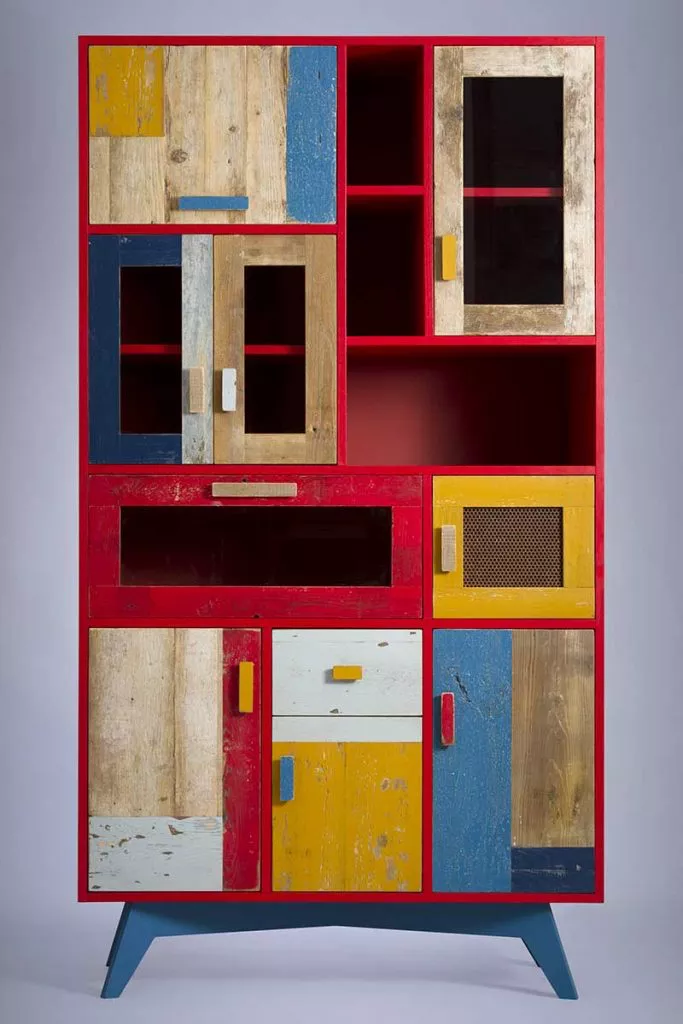
Wood in a circular economy: reclaimed teak to give discarded wood a second life
From Mumbai to Umbria, Baro Design and Laquercia21 turn reclaimed wood into contemporary furniture—proof that sustainability can be built from scraps, not mass production
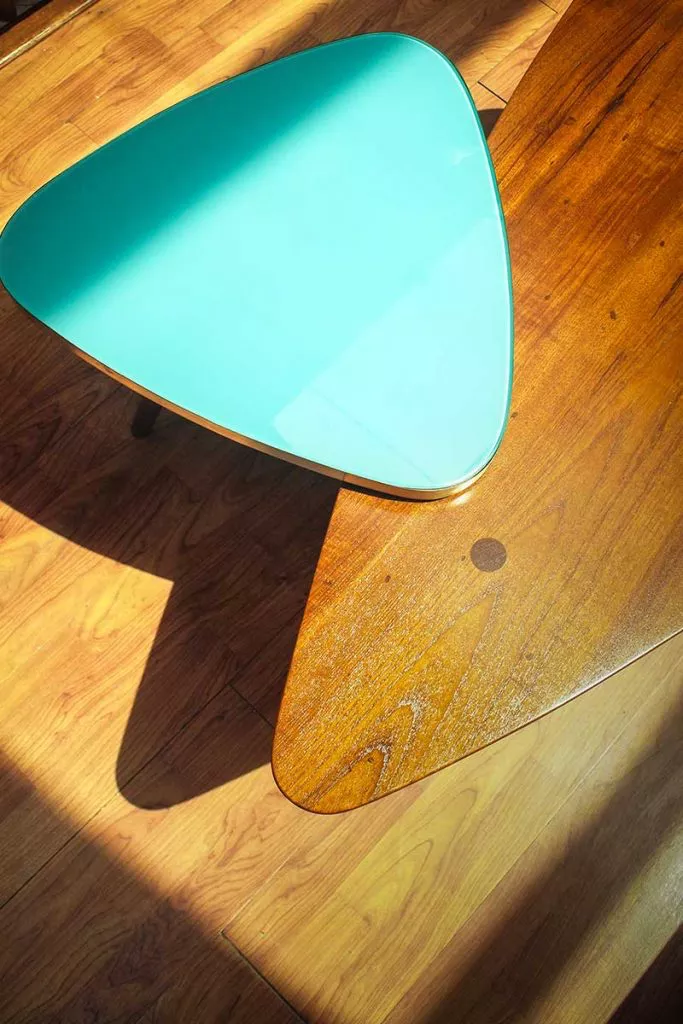
Reclaimed teak and reclaimed wood furniture as a practical answer to sustainable design
Recycling wood is one of the most direct and effective ways to reduce our environmental impact—and it’s becoming a concrete design practice, not just a slogan. From offcuts to decommissioned beams, reclaimed timber can be transformed into furniture that lasts, offering an alternative to disposable interiors and the logic of cheap, mass-produced goods.
Across the globe, carpenters and designers are tackling the same challenge: finding valuable material in what the market often treats as waste. In Mumbai, Baro Design works with reclaimed teak through a method grounded in principles and research. In Umbria, Laquercia21 approaches the same material from the workshop floor—hands first, drawings later—building a craft-driven supply chain one contact at a time.
Baro Design in Mumbai: Bauhaus influences, Japanese-Indian sensibility, and reclaimed teak craftsmanship
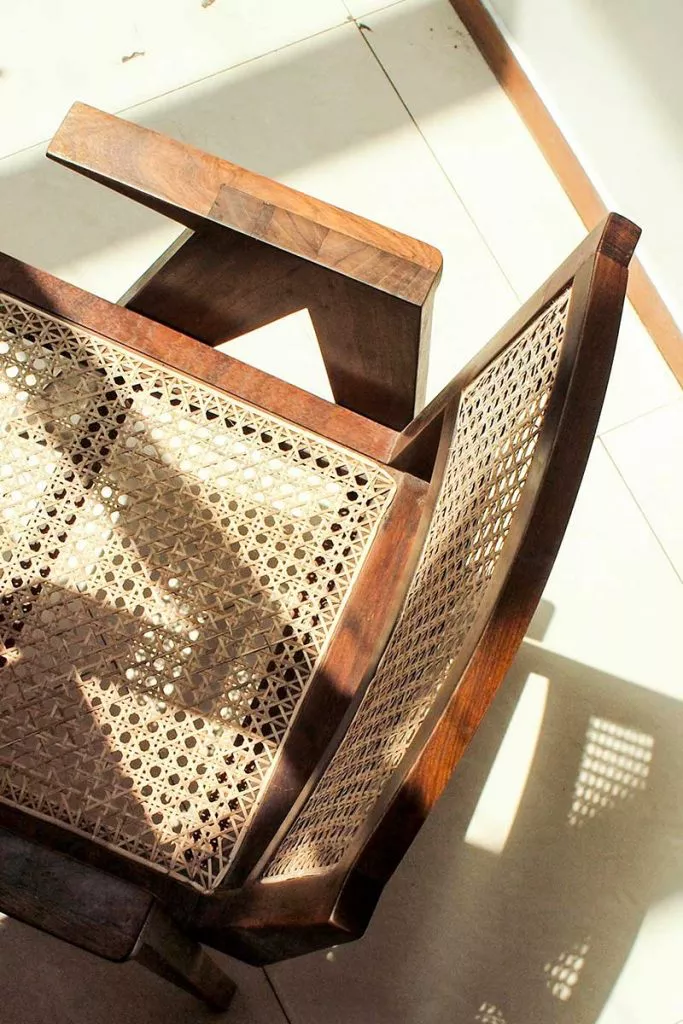
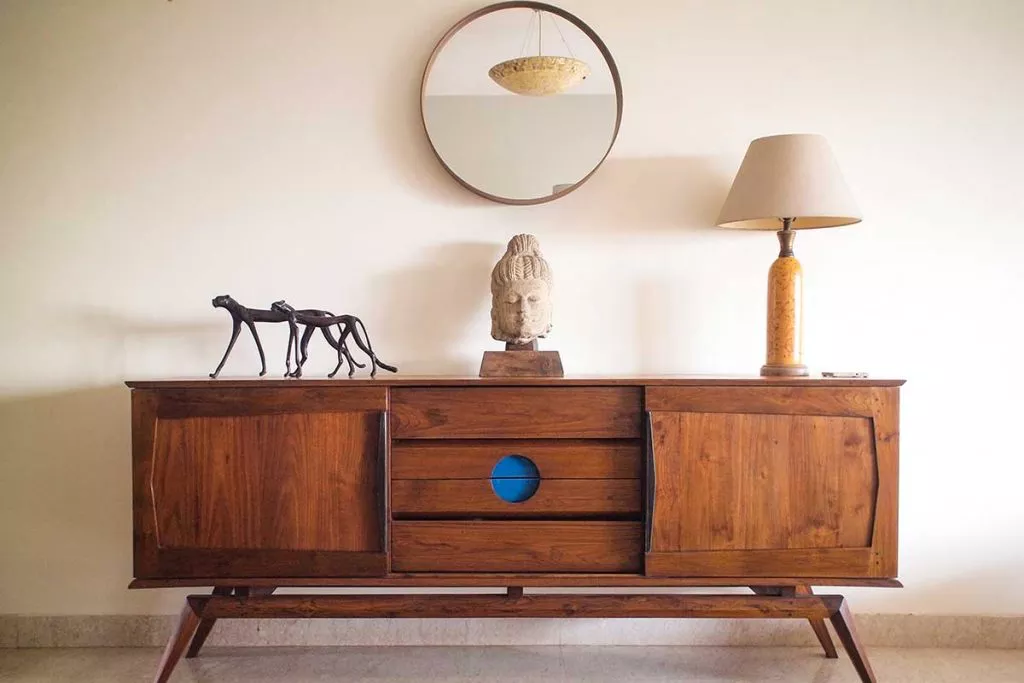
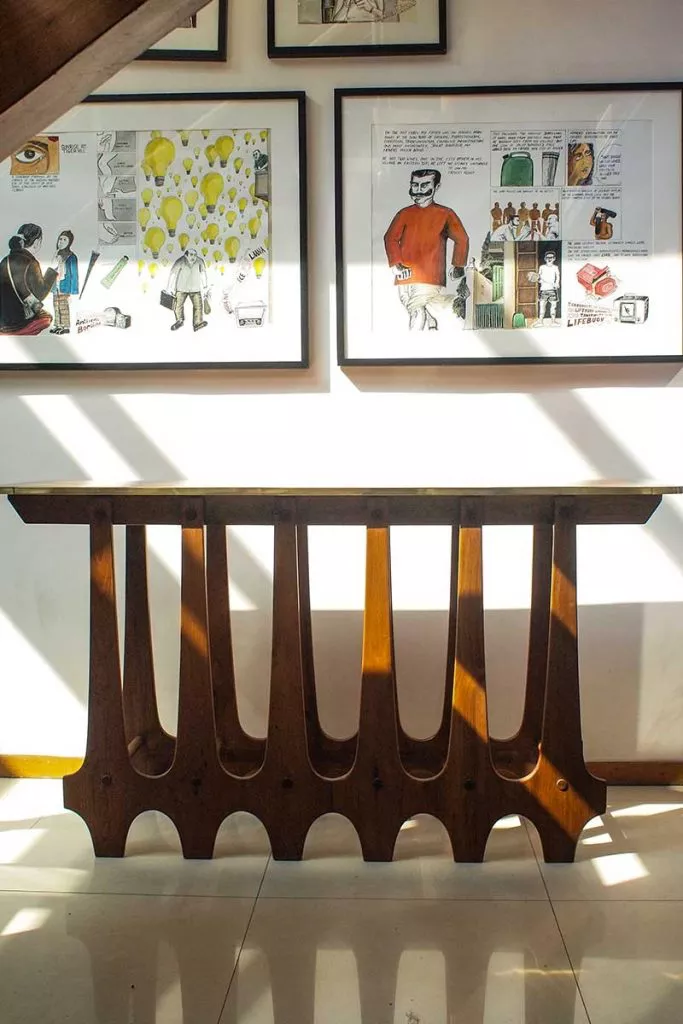
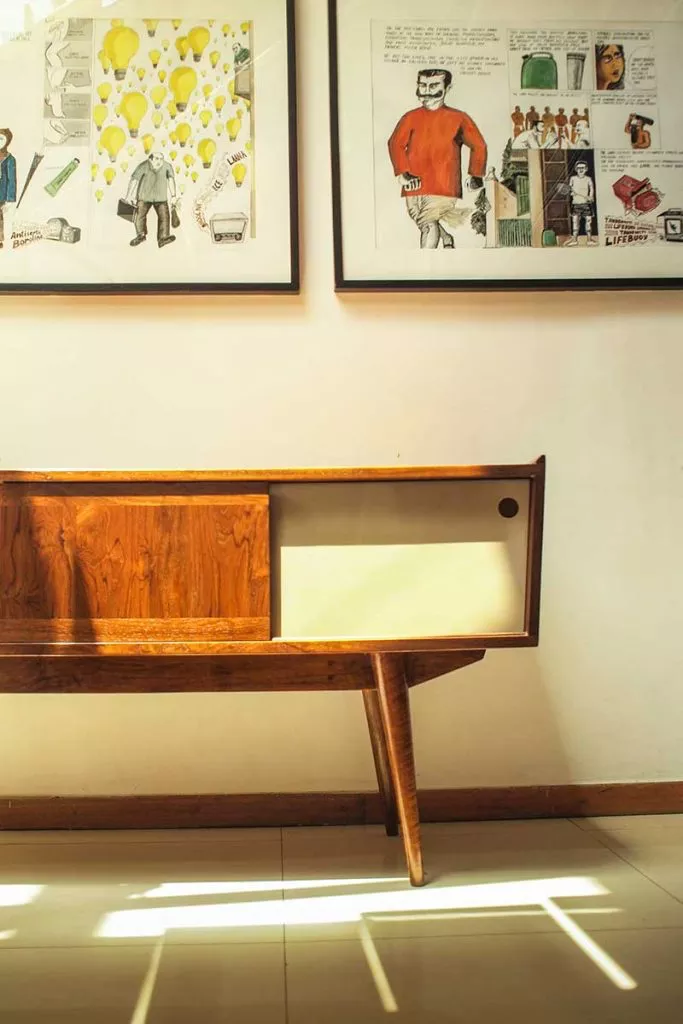
For Siddarth Sirohi, founder of Baro Design, the process begins with a conceptual compass that guides every object: “All Baro Design pieces share the same principles, blending Bauhaus with Japanese and Indian sensibilities. I use a series of concepts like a compass, starting with balance—not as symmetry, but as equilibrium between form and function, between the materials used, between your agency and what the wood suggests through its form.
Weightlessness is a concept I found in Milan Kundera’s The Unbearable Lightness of Being. I removed the ‘unbearable’—for us, it’s a desirable quality. We build furniture that feels light in appearance, creating space. Sustainability is part of Baro Design, as we work with reclaimed teak and give a second life to wood that has been discarded.”
The reclaimed teak is not a constraint—it’s a collaborator. It brings texture, history, and unpredictability, shaping the final form as much as the maker does.
Laquercia21 in Umbria: artisanal woodworking, reclaimed materials, and design led by the workshop
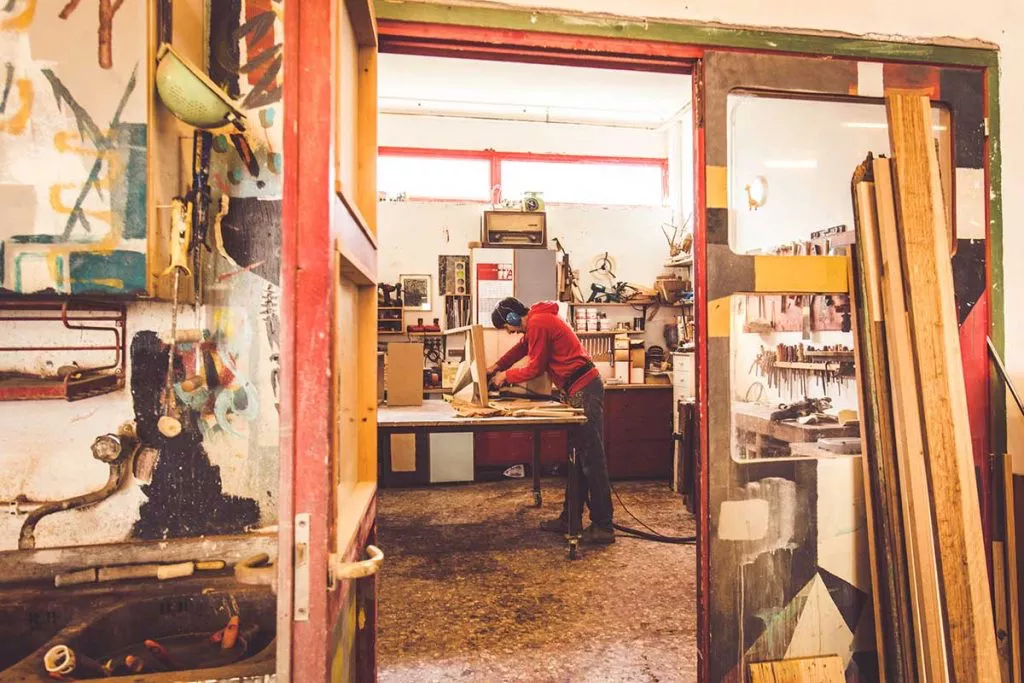
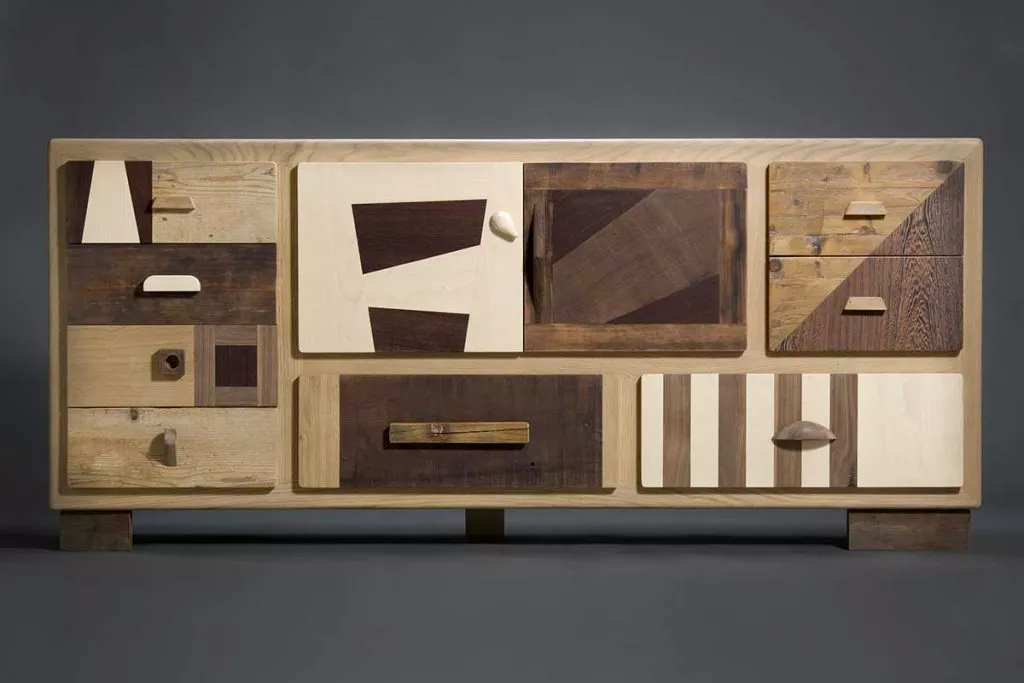
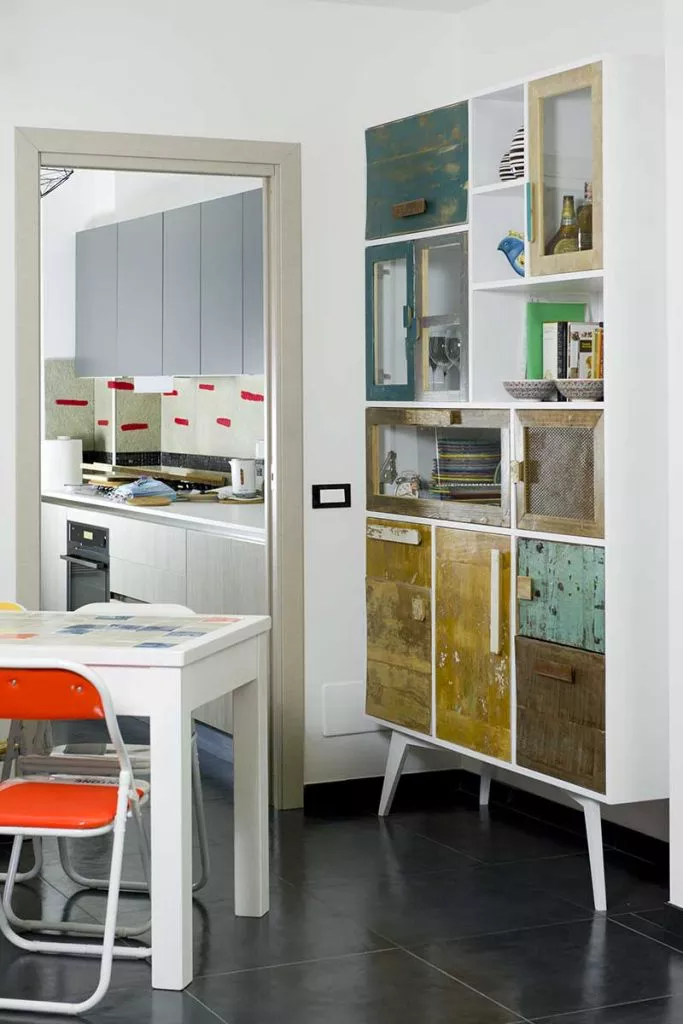
For Laquercia21, theory is useful—but the workshop is where design becomes real: “Design is useful, but it’s only by dealing with materials that you can create a proper composition. You can’t sacrifice the beauty of salvaged materials just to execute a drawing. We use construction materials as if they were a painter’s palette, combining old and new. Wood is the center of our work, flanked by iron, fabrics, linoleum—creating the contrasts we’re looking for.”
Reclaimed wood here is not a trend—it’s an everyday discipline: selecting, cleaning, repairing, matching, and composing fragments into something coherent and durable.
The hard part of circular design: sourcing reclaimed wood and building a real recovery supply chain
No matter the philosophy, reclaimed wood design runs into the same bottleneck: finding the right pieces in the right condition. Siddarth describes an Indian system where reuse is often driven by necessity—and therefore embedded in everyday routines: “In India, when a building comes down, every bit of it is reused. When it comes to sustainability, our behavior is driven by necessity. Scrapped materials are selected and sold to vendors, and you have to navigate a web of contacts to find supplies. When the source is not far, you can learn the material’s history.”
In Italy, the landscape is more fragmented. Laquercia21 sources most reclaimed wood from three main channels: “Most of the recycled wood we use comes from old doors, from beams recovered during the decommissioning of farmhouses, or from the second-hand construction market. Over time we’ve built a supply chain, because finding recovered goods is anything but simple.”
There is growing cultural acceptance of recycling aesthetics, yet scraps still haven’t become a fully structured industry: “In Umbria there have always been people collecting old doors or terracotta tiles from abandoned buildings, and some of these people are our suppliers. Unfortunately, they’re not institutionalized figures, and it’s difficult to organize a real network—many have no presence on the web.
In other northern areas, such as Trentino, there is an organized tradition of recovery where wood from houses is converted into planks for parquet, but these supply chains are very difficult to interact with.”
When sustainability meets bureaucracy: why regulations can still punish reclaimed materials
If in India the state is often neutral toward informal recovery processes, Italy can be complicated by controls and classifications that don’t always fit circular practices. Laquercia21 shares a telling episode: “During an inspection a few years ago, an INAIL inspector applied a higher insurance rate—and therefore higher annual costs—because he believed we used too much recovered wood compared to what we declared.”
Still, local initiatives can shift the picture: “The Municipality of Narni—where our laboratory is—has started a project that opens recycling areas to companies interested in reusing waste materials.”
Why designers love wood: material memory, spiritual connection, and the aesthetics of reclaimed timber
Beyond supply chains and policy, both studios describe wood as a material with presence—alive in its own way. Siddarth frames it as a living archive: “It was born as a tree and has lived a life before being shaped into an object. Its existence is recorded in its characteristics—form, color, volume. I sense a connection with wood because it is a living being: far from the tree it was, it still ‘breathes’, expands, contracts. Treating it is spiritual—like breathing life into an idol.”
Laquercia21 focuses on wood’s modularity—how it can be recomposed, even in small pieces: “Wood gives us many possibilities because it can be recycled even in small amounts; with iron it’s often all-or-nothing. With wood we can ‘nip and tuck’: for example, we make cabinet doors by gluing together pieces from different suppliers.”
That method connects to a local tradition of re-creating antique furniture using antique wood—keeping part of the material’s story inside the new object: “We work with a similar idea—keeping part of the wood’s history inside the new piece.”
Craftsmanship versus mass-produced furniture: durable reclaimed wood objects as an antidote to planned obsolescence
Baro Design and Laquercia21 ultimately converge on the same ethos: the workshop over the factory. This is where reclaimed design becomes more than a look—it becomes a stance against planned obsolescence and a way to reduce the impact of cheap, fast interiors.
Craftsmanship is not nostalgia here. It’s a production model: slower, more precise, more accountable—turning scraps into objects meant to stay.
Call to action: choose reclaimed wood furniture to support circular economy and local makers
If you want sustainability to be more than a label, start where impact is visible: materials, sourcing, and lifespan. Look for furniture made from reclaimed teak or recovered timber, ask about provenance, and support workshops that build durable objects from what others discard. Circular design becomes real when demand rewards it.
Baro Design, Laquercia21
Baro Design is a Mumbai-based studio focused on handcrafted furniture and lighting. Its approach relies on traditional wood-joinery methods while the results feel both timeless and contemporary. The studio works with reclaimed teak for its quality and age—giving discarded wood a second life and supporting a more sustainable design culture.
Laquercia21 is a design workshop founded in 2010 from the meeting of two carpenters, located in the Umbrian countryside. It mixes contemporary design, traditional craftsmanship, art, vintage-pop culture, and eco-design. The laboratory prioritizes craftsmanship and unique pieces over mass production.