Galib Gassanoff: structure is not a style, it is a position
A conversation on discipline, cultural memory, and why a designer who knows how to cut a dress has less and less space in an industry that moves too fast to notice
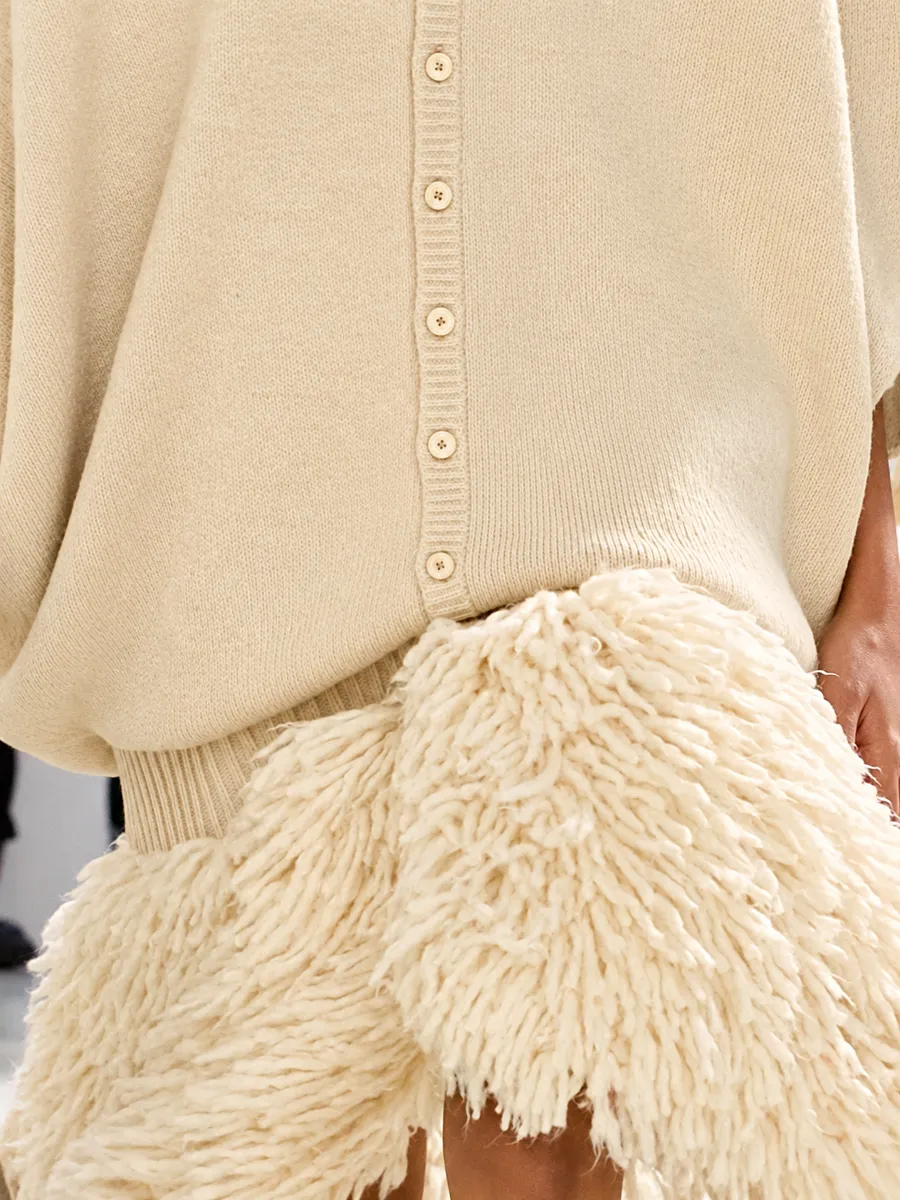
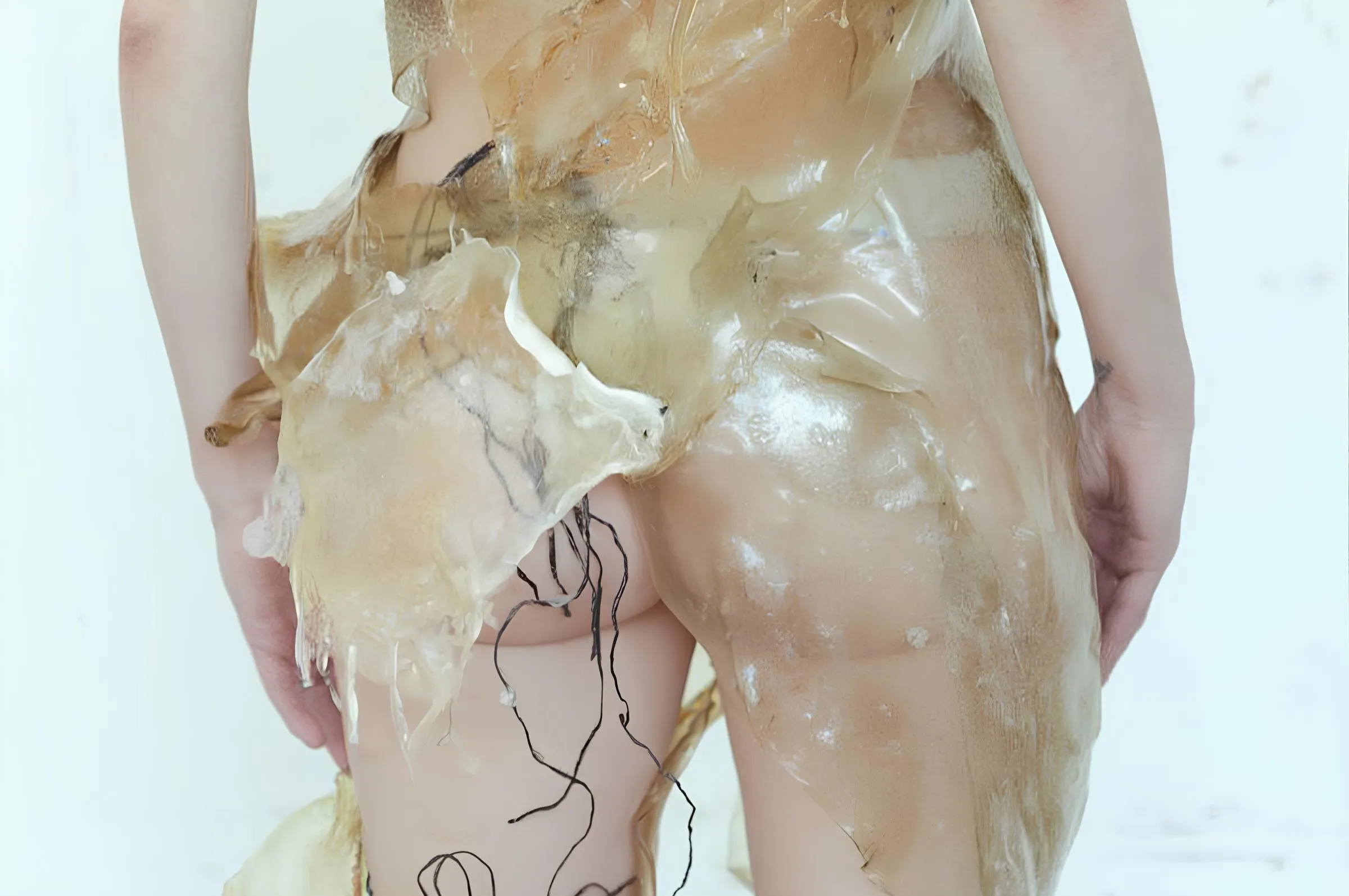
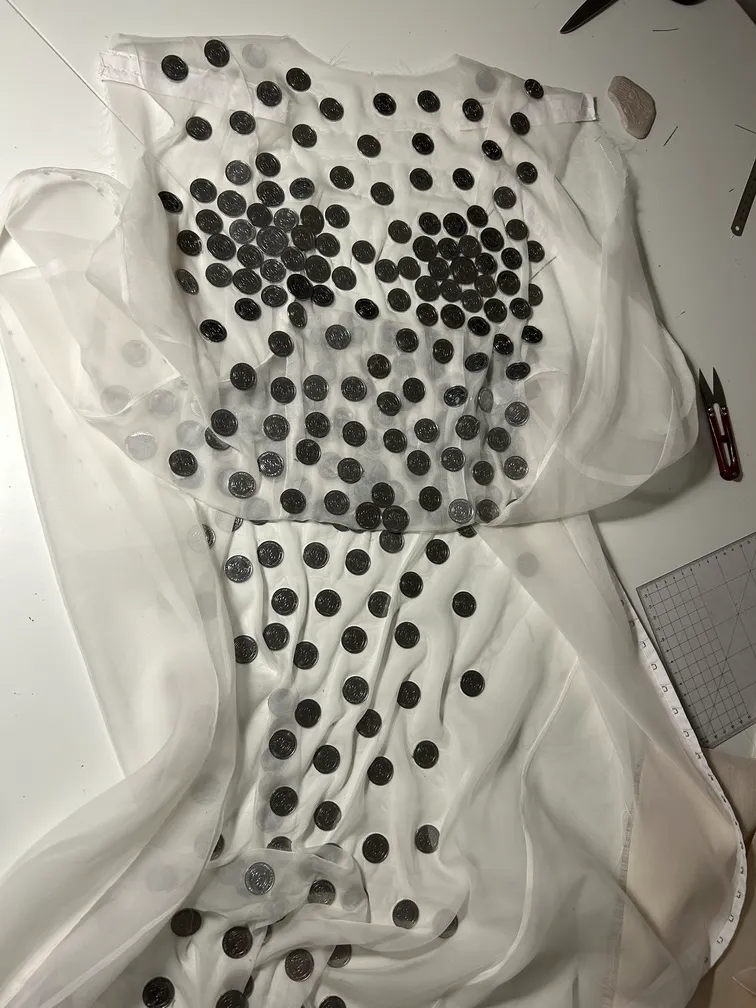
Based in Milan and working through his brand INSTITUTION, Galib Gassanoff approaches fashion as a system of values rather than aesthetics alone. His work is grounded in craftsmanship, cultural memory, and the discipline of construction — garments that make their structure visible and their intention clear. In this conversation, he reflects on standards, responsibility, and the belief that fashion must remain accountable to the hands and histories behind it.
This conversation is part of Lampoon’s column on Talent, Taste, and Transformation curated by Anouk Jans.
AJ: Before fashion entered the picture, there were already values in place. GG: Everything begins with people. Before fashion, there was respect for culture, craftsmanship, and responsibility. Fashion became the medium to express those values.
AJ: Where do you see the biggest shift in how your taste has evolved?
GG: When I stopped seeing taste as purely aesthetic and began understanding it as perception — the way we observe and respond to our surroundings. Less about preference, more about awareness.
AJ: When did your personal standards stop being flexible?
GG: When I understood that defining standards is essential to authenticity. Trying to please everyone weakens identity. Boundaries create clarity.
AJ: Why was INSTITUTION necessary rather than optional?
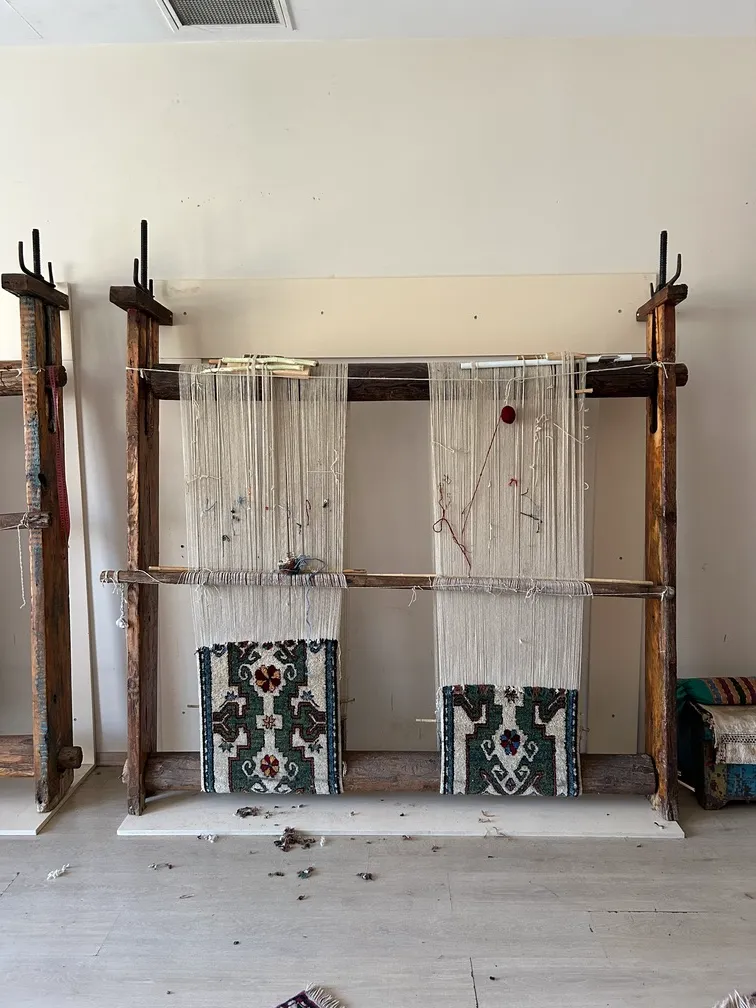
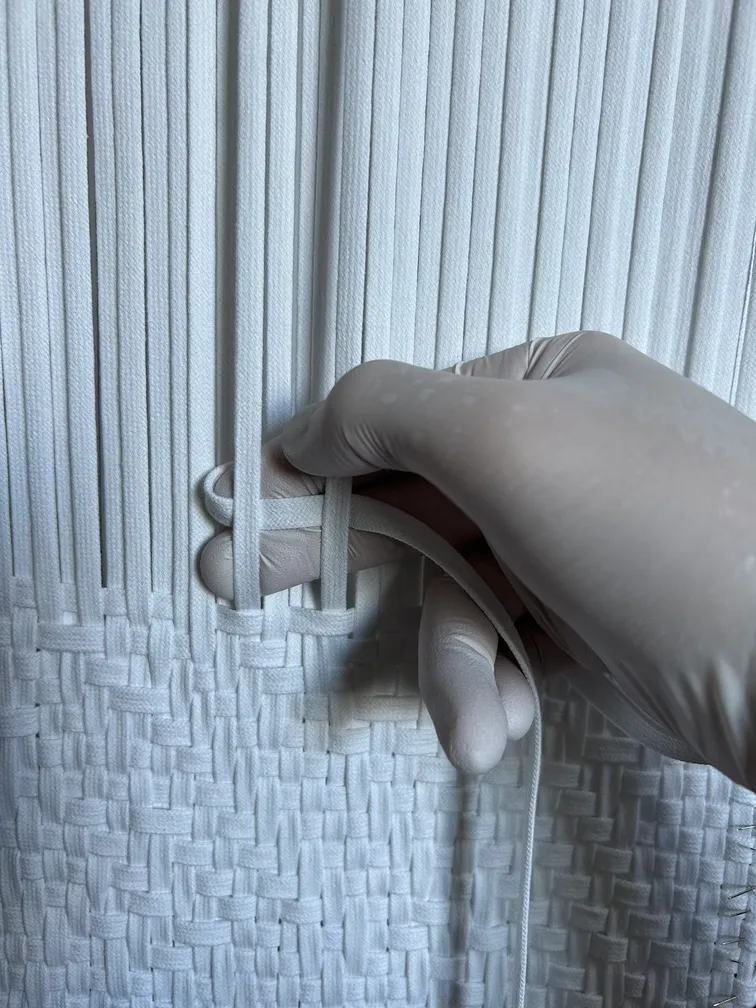
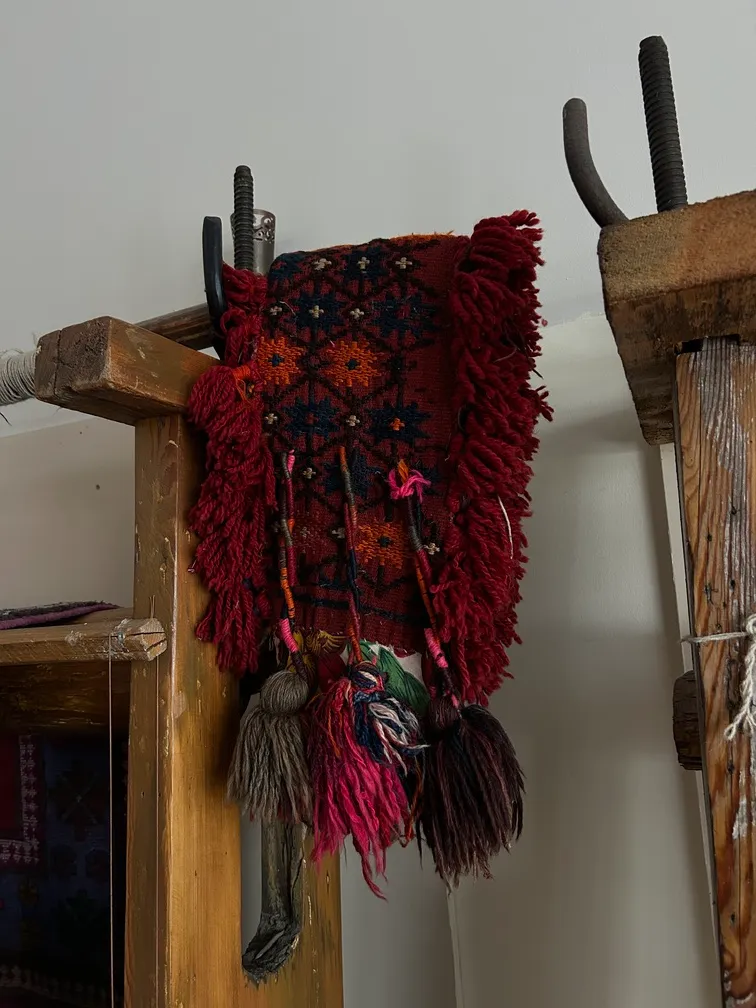
GG: It came from necessity — not about creating another brand, but about protecting values I felt were disappearing: craftsmanship, cultural memory, responsibility. INSTITUTION exists as a structure where the vision remains intact.
AJ: How has your relationship to discipline changed over time?
GG: I stopped seeing it as rigidity and began seeing it as balance — a rhythm that sustains continuity without losing well-being.
AJ: Some beliefs are easier to keep private. Which conviction about fashion would make the industry uncomfortable?
GG: That it moves on too quickly from necessary conversations. Awareness requires continuity. As consumers and creators, we have to question what we accept and what we support.
AJ: Which shortcuts were never on the table, even when success could have come faster?
GG: Compromising quality. Replacing craftsmanship with speed. Growth without integrity was never an option.
AJ: Which form of talent is actually built through repetition and rigor?
GG: Craftsmanship. Design mastery. Discipline turns potential into skill.
AJ: What makes you take another creative seriously?
GG: Culture. Knowledge. Respect for people and process. Depth over appearance.
AJ: Certain talents struggle not because of lack, but because the system doesn’t know where to place them.
GG: Designers and artisans who prioritize craft over visibility. The system favors speed and spectacle. Those working with rigor don’t always fit.
AJ: What does Milan give you structurally, and where does it fall short?
GG: Being close to the textile industry is essential for my work. The quality of life supports focus. Bureaucracy is slow. The city isn’t perfect, but structurally it supports development.
AJ: How did founding INSTITUTION reshape your relationship to ambition?
GG: Ambition needs structure — strategy, belief, community. Without that foundation it becomes directionless. With it, it becomes sustainable.
AJ: What had to change first — the person, the process, or the system?
GG: The person. Once mindset and values are clear, the process follows.
AJ: Which part of yourself did you have to leave behind to move forward?
GG: The need for certainty. Growth required patience and accepting uncertainty.
AJ: What does the right pace look like to you?
GG: Deliberate. Allowing craft and ideas to mature. Rhythm over urgency.
AJ: Which structures in fashion concern you most?
GG: Systems that prioritize profit and speed over people and quality. Fast-fashion models that undervalue labor and erase heritage.
AJ: If you were to redesign the industry, where would you begin?
GG: Education. For creators and consumers.
AJ: If INSTITUTION disappeared tomorrow, what absence should be felt?
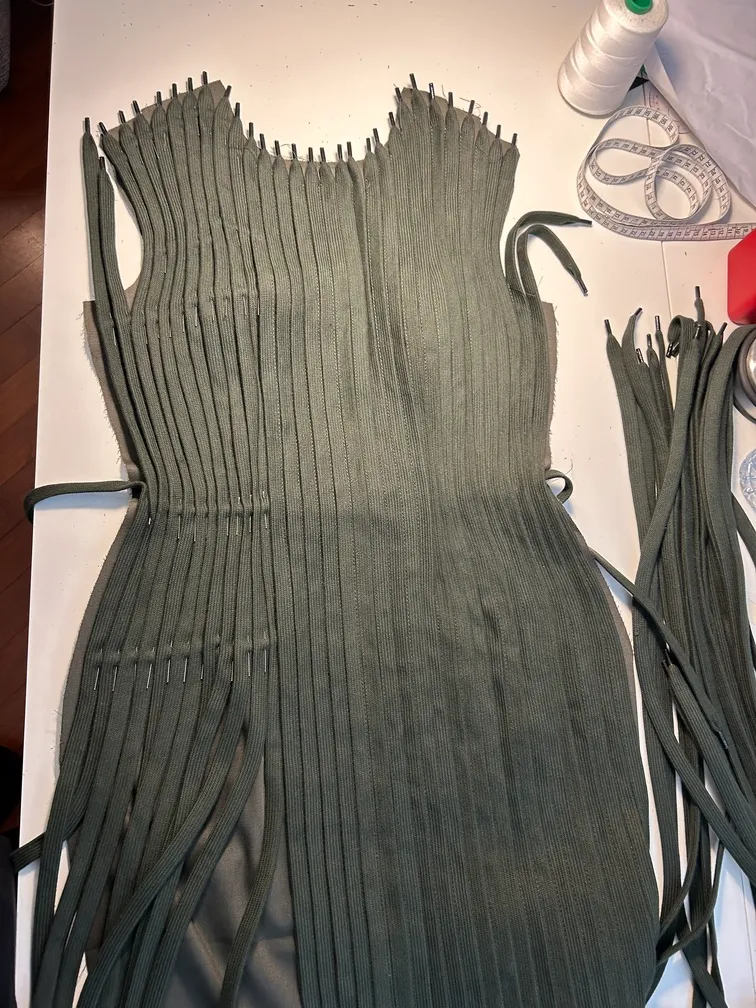
GG: A brand founded by someone who knows how to cut a dress.
AJ: What kind of cultural shift do you hope your work enables?
GG: A shift toward valuing craft, memory, and responsibility. Reconnecting creativity with human skill and encouraging conscious choices in both design and consumption.