Hermès, 166 New Bond Street — can you still call it a store?
The new Hermès flagship in London: straw marquetry, horsehair, glass bricks, and the ghost of Seventies punk on New Bond Street
166 New Bond Street, London — not a shop. A house
It is worth saying out loud: it took nearly two hundred years to build what Hermès is now — in the market, and in the mind. The legend goes — or I prefer to tell it this way — that Marie Antoinette, on her way to the guillotine, turned her head toward the corner of a Paris street where one day a saddler’s workshop would open, and the rest would follow.
On the sixteenth of June, at 166 New Bond Street, the latest Hermès architectural project opened — the conclusion of a real estate operation that began in 2009 with the acquisition of the former Asprey building. London joins Paris, New York, Tokyo, Seoul, and Shanghai: the sixth of those addresses Hermès does not call shops but maisons — whole buildings, floor to ceiling, inside and out.
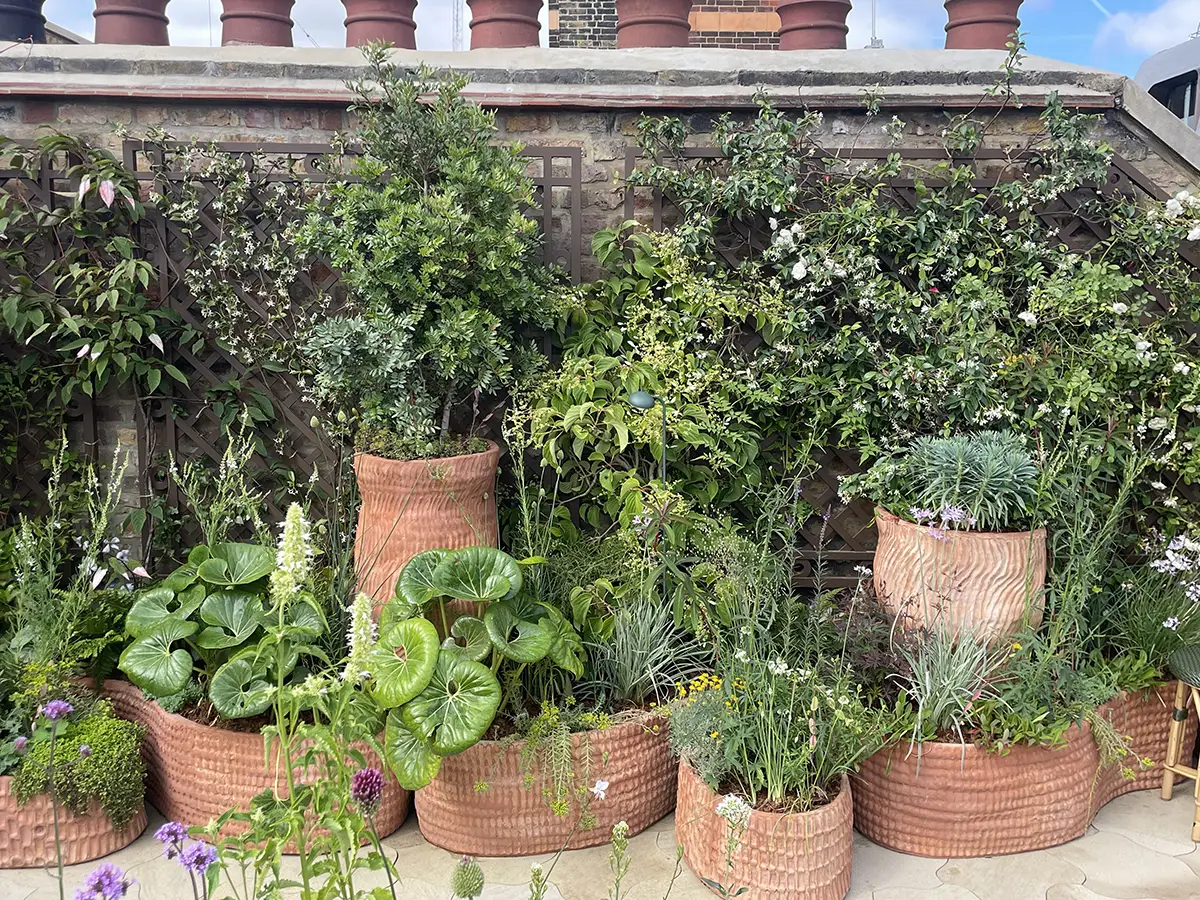
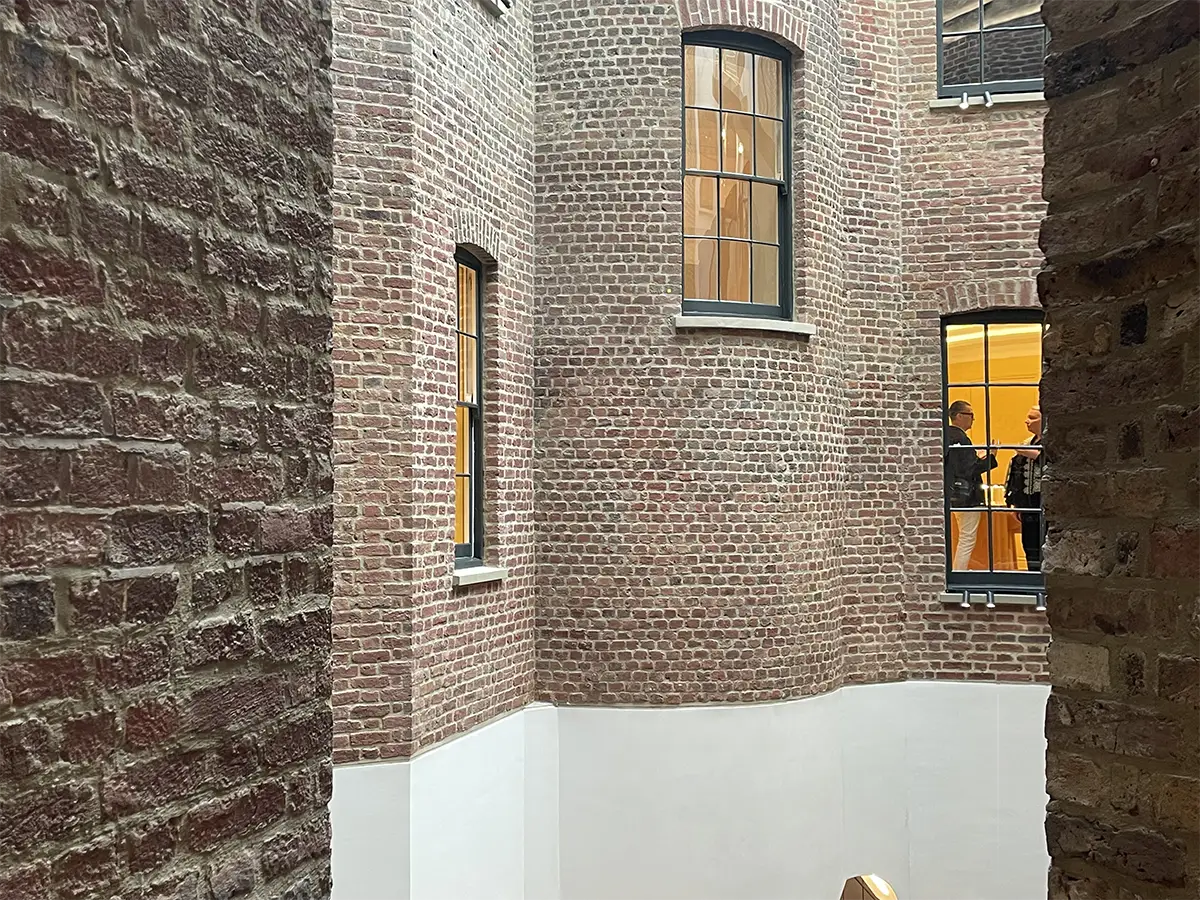
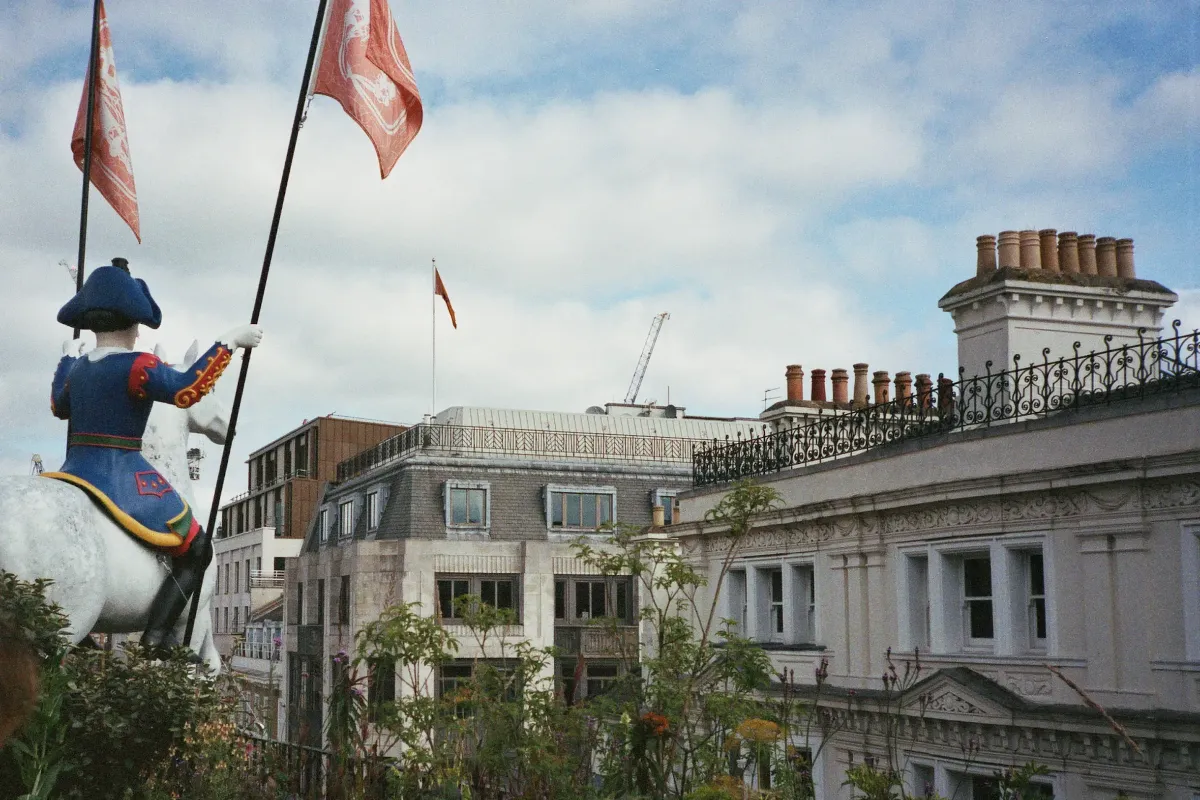
Close to two thousand square meters layering centuries of history: the oldest structures date to 1769, when Marie Antoinette was still at Versailles. The building runs between Grafton Street and Albemarle Street, street-facing volumes in front, a residential quarter tucked behind the facade. Fifty-five rooms, five floors, four staircases, four lifts, two terraces. The project is by RDAI, directed by Denis Montel. The internal courtyard was enclosed by Norman Foster — steel and glass, a helical staircase rising through the center. The opening of the Maison brings the closure of the former shop at 155 New Bond Street and the concession at Selfridges.
166 New Bond Street — straw, horsehair, and a punk undertow
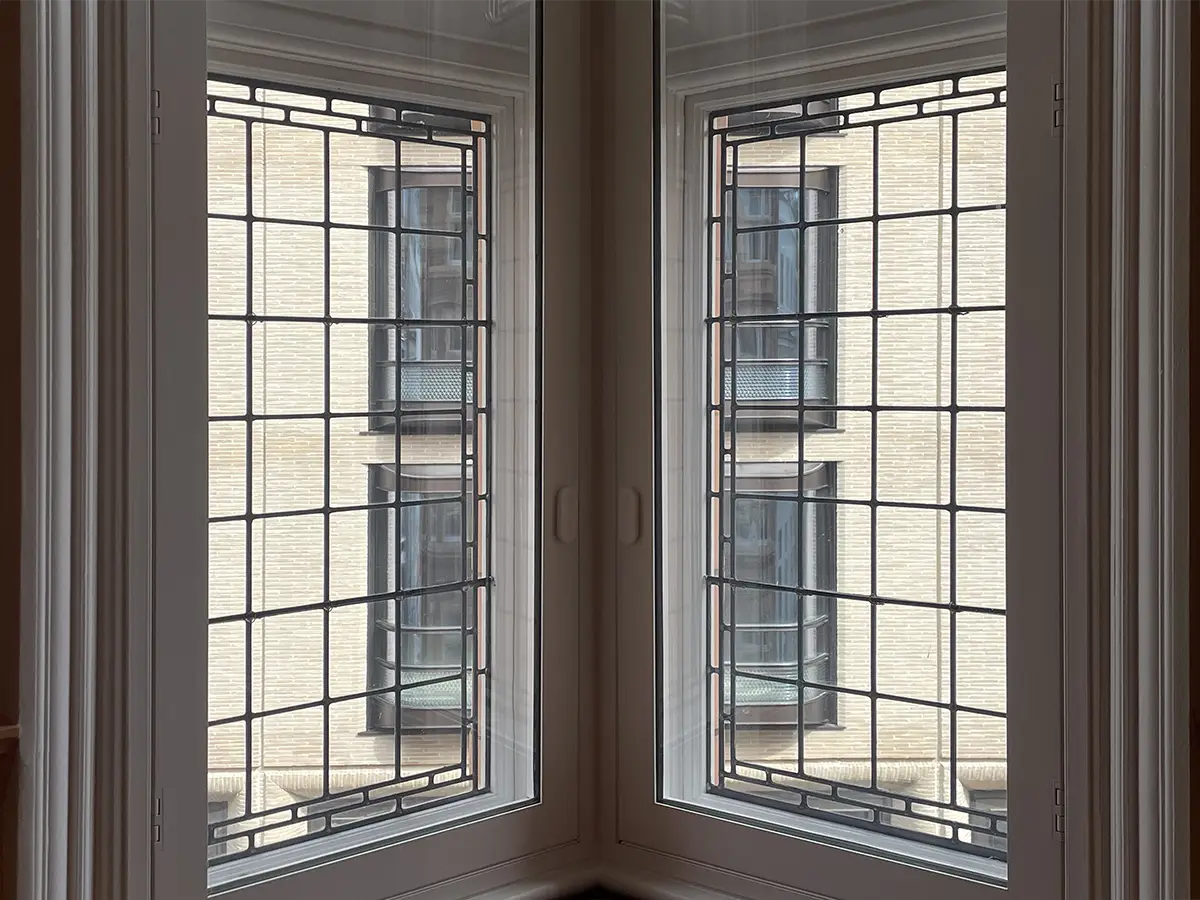
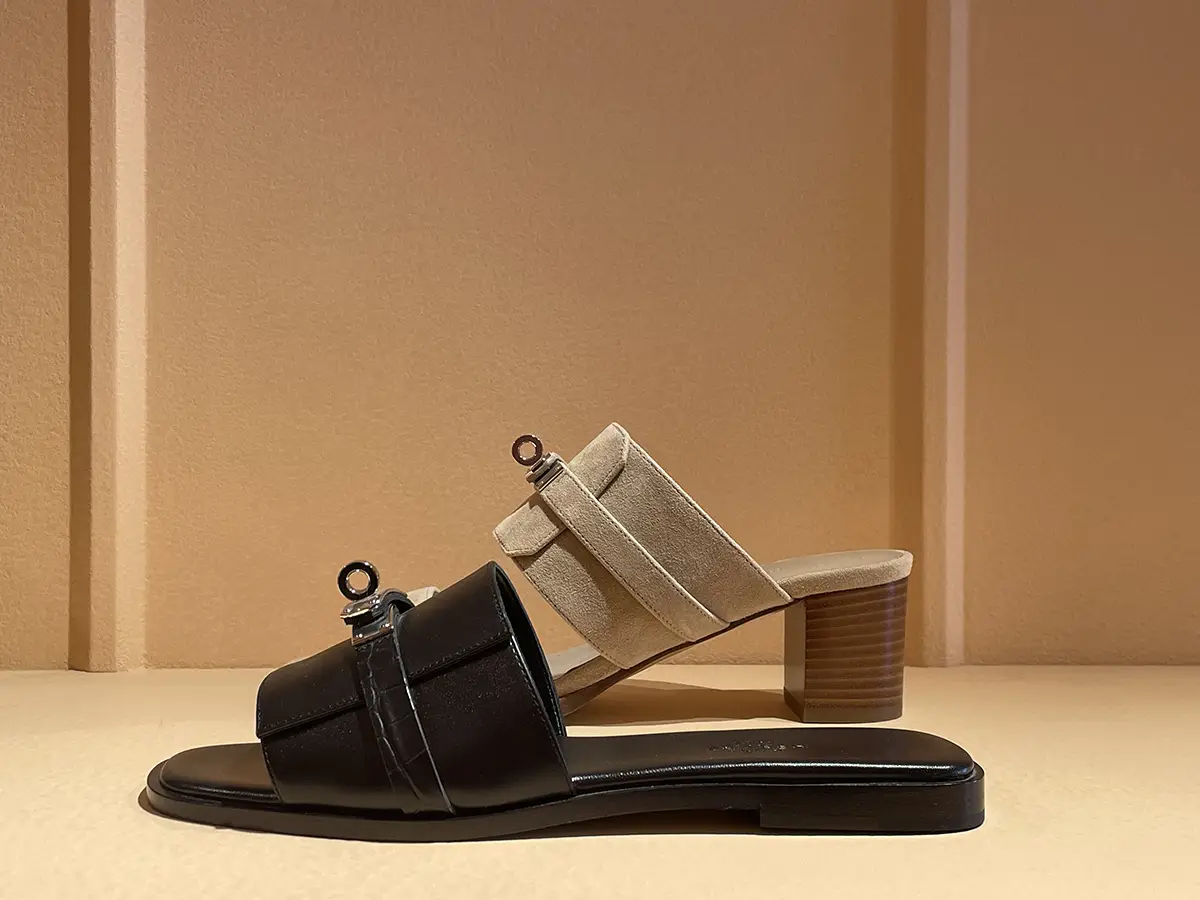
A labyrinth in which getting lost feels tempting. On the first floor, one wall is covered in a marquetry alternating straw and horsehair; patinated copper details; hexagonal strips of oak and reclaimed timber — there is a punk spirit here, a pull toward Seventies London. One load-bearing wall replaces the dark brick of British industrial and residential construction with glass elements of identical dimensions.
Axel Dumas is keen to note that Hermès objects were already crossing the Channel in 1927, carried by a network of commercial representatives. London was where Hermès first traded beyond French soil. The Rocabar motif may itself derive from a British craftsman who, in his English accent, pronounced rug à barres while referring to the striped saddle blankets used in equestrian show jumping.
A family company on the Paris stock exchange — no marketing
An independent, family-owned company, publicly listed in Paris. The attempted external takeover — which reached nearly fifteen percent of shares — is now public record; in response, the family consolidated seventy-five percent into a unified bloc, transferable only between relatives. The controlling stake today belongs to Axel Dumas, CEO since 2013. In France alone, sixty-three manufacturing sites and ateliers — each recognized for the value of its local tradition, at a moment when corporate logic would push toward a single production hub. The global retail network spans more than three hundred stores across forty-five countries. At the end of 2025, the group employed over 26,000 people, more than 16,000 of them in France.
Hermès: play, travel, curiosity — films are like trains in the night, Truffaut once said. In years when the market rewards whoever holds their identity without flinching, the entire luxury world exhales in recognition of what Hermès has built. Other houses take Hermès as their reference, attempting to operate as Hermès operates — without quite grasping the rigor that makes it possible. One signal: Hermès conducts no marketing activity. Let others speak about Hermès; self-promotion has no place here. Strategies built on human relationships that, beyond generating commerce, produce something rarer — pride, in every person who works for the house, from the atelier floor to the executive suite.
A garden party — without taking itself seriously
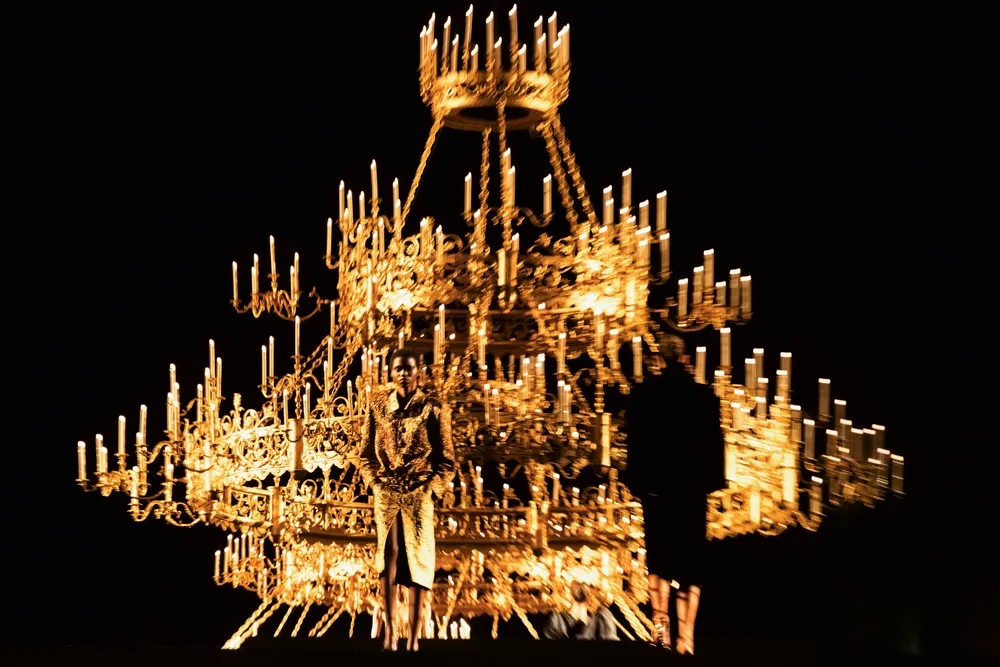
Between magic and melancholy, the time has come for a celebration. Some applause is owed, for 166 New Bond Street. No rain in London — only the scent of flowers rising from the gentle current of the Thames. Leaving Mayfair and its traffic behind, boarding a boat from a landing stage just past Parliament, a vessel moves upriver and docks at a pier before a wood. Behind the trees, a clearing: a garden party — it could be Lady Marian’s birthday, and Robin Hood will win every contest on her behalf. A cricket pitch, a tent fit for visiting princes from the Indies, arriving at this still-Victorian empire. Oysters in front of a painted marquee showing an animated view of the Dover coastline. A greenhouse beside a kitchen garden — from the chandeliers, instead of crystals, hang leek stems and carrots. Miss Marple takes the microphone from a pub orchestra and ventures a few steps, hip and leg. The vodka arrives like something sacred, fireworks, two hundred actors and dancers and extras — bowls of strawberries and cream and pink sweets, fingers sticky, licked clean like kisses. Never take yourself too seriously: in a single sentence, the coherence, the philosophy, the craft, the sense of wonder for which the world keeps falling in love — saying Hermès.
Carlo Mazzoni