Unisex, androgyny, sex-less design: fashion has always been naked
From the androgynous Nineties to the gender-agnostic collections of 2026: fashion has spent a century trying to neutralize sex – but sex is stronger than fashion
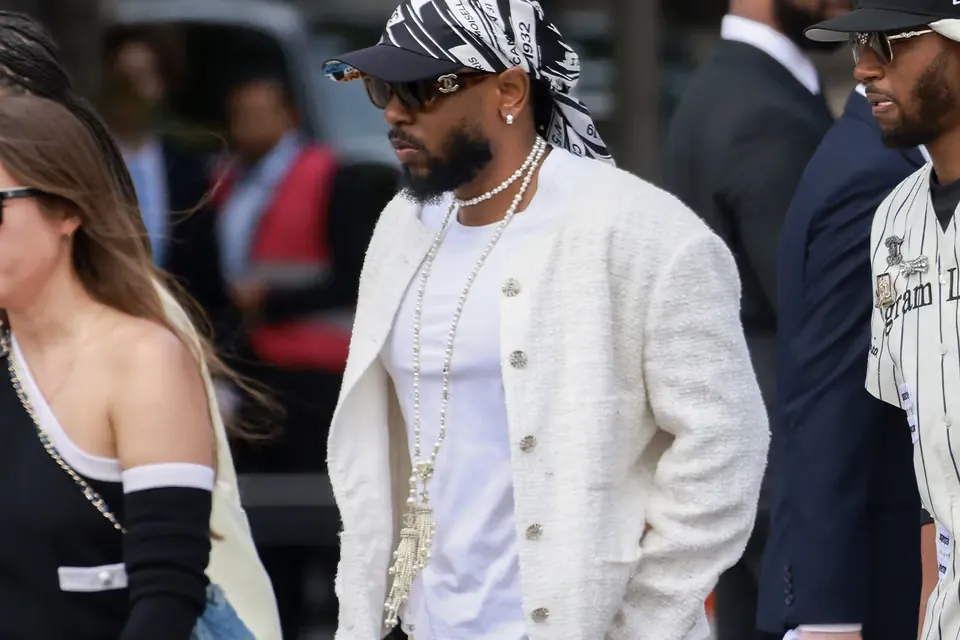
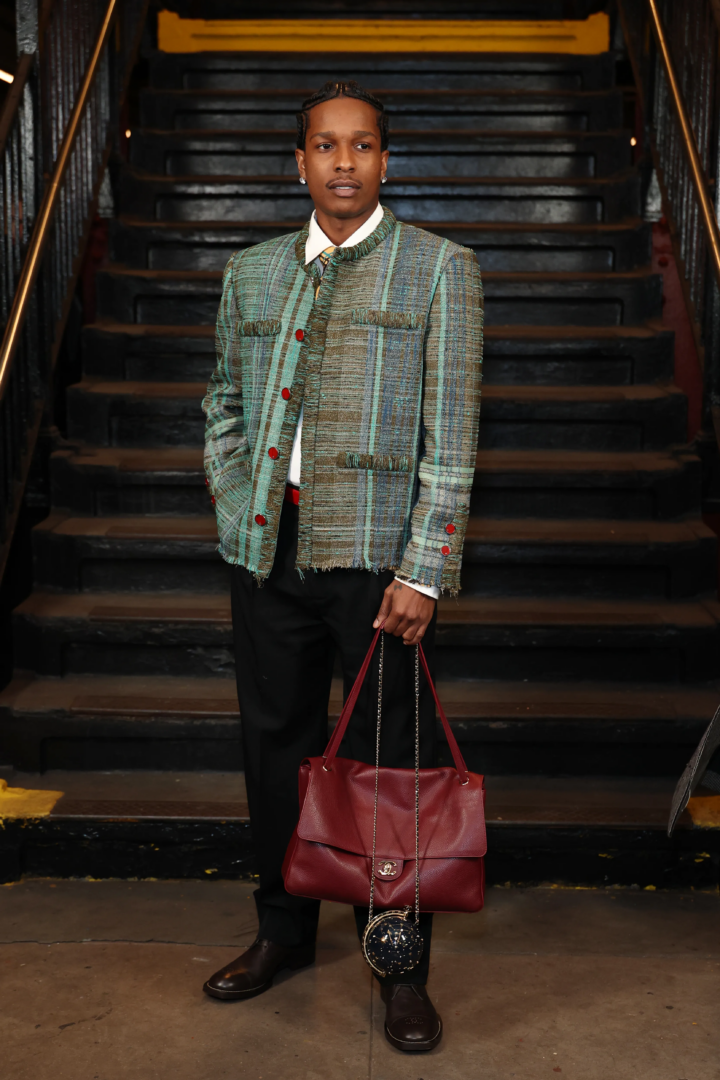
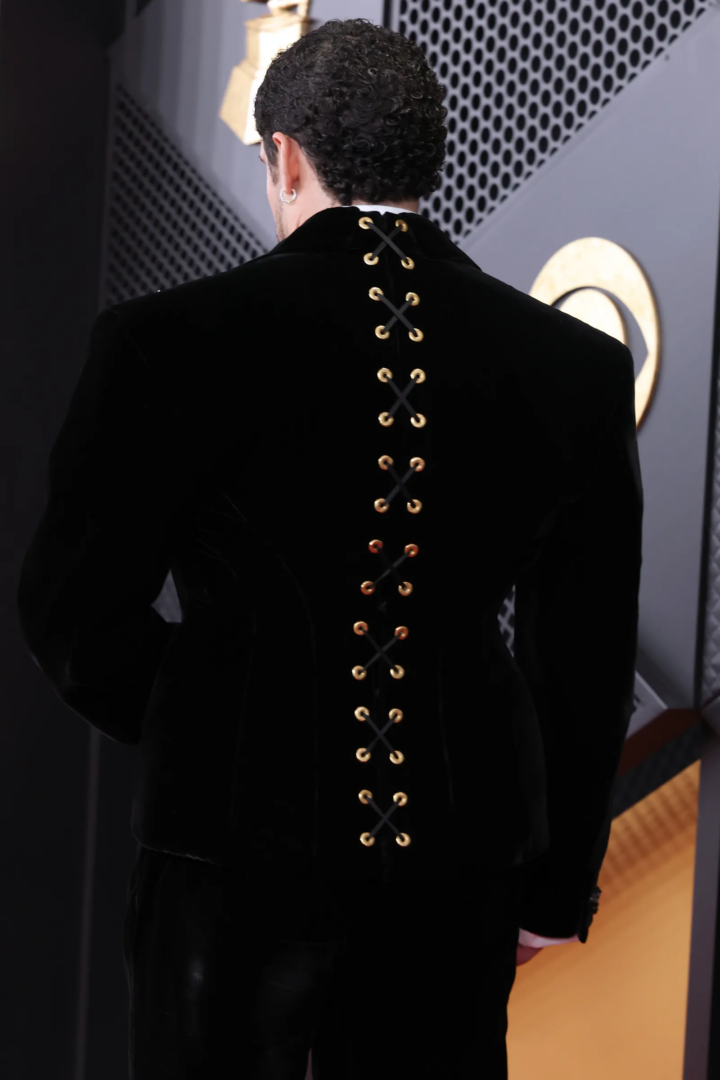
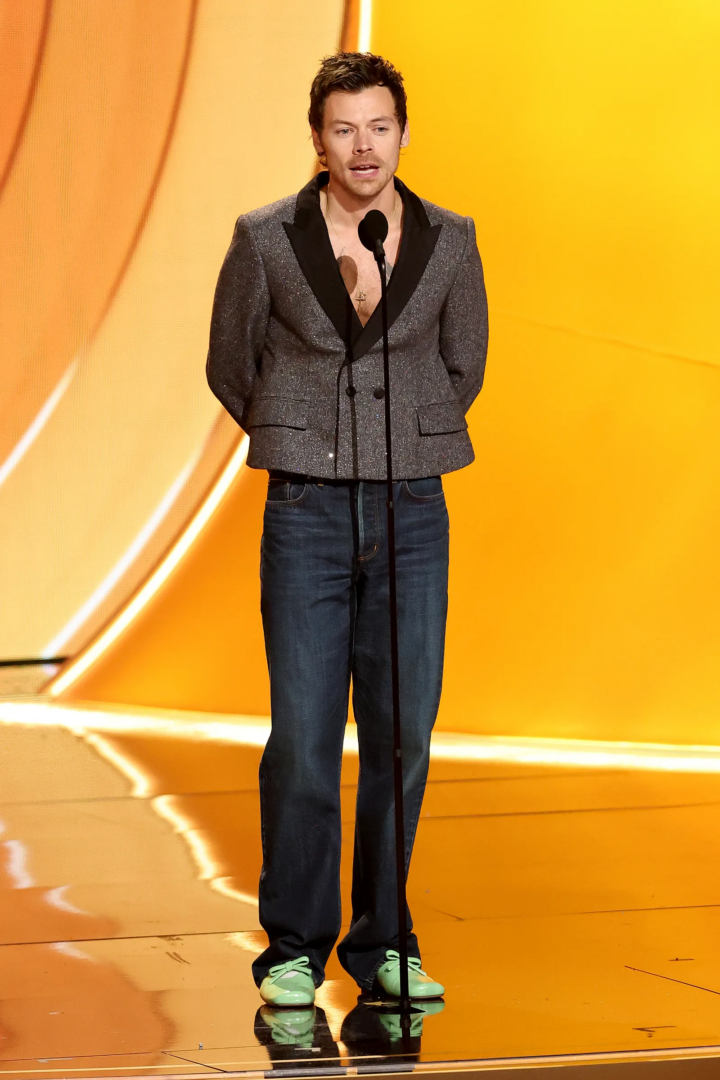
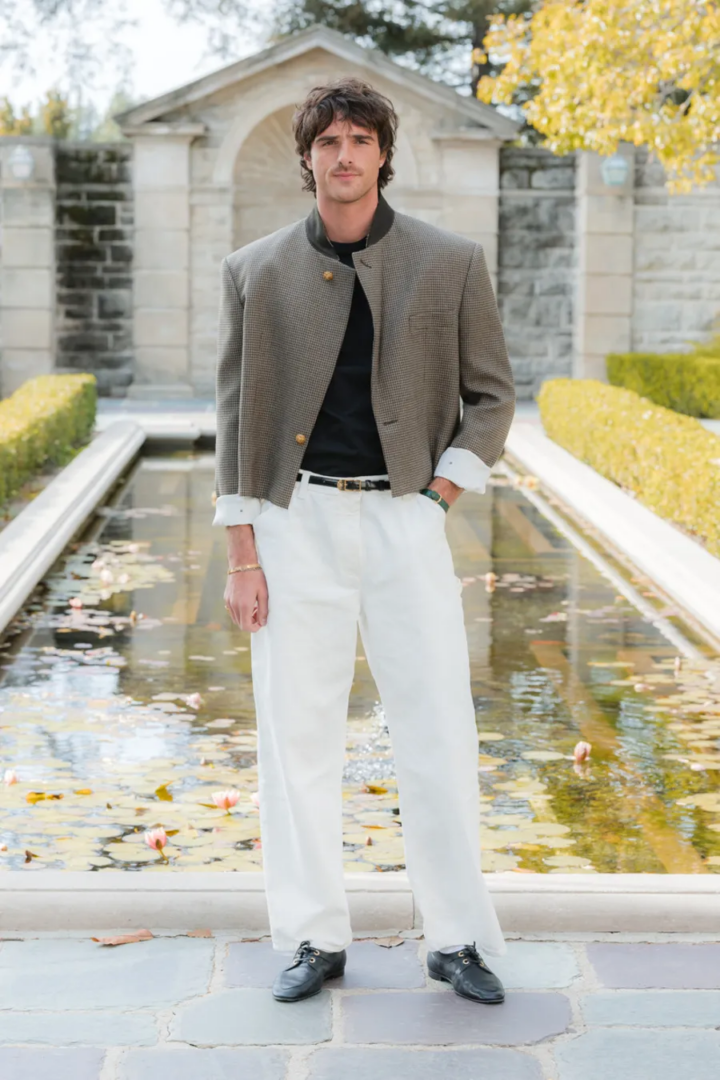
Harry Styles in a Dior jacket and ballet flats. Jacob Elordi in a women’s jacket from an SS26 show. On both of them, femininity reads not as provocation but as obviousness — the distance between the two is a matter of register, not of years. Fashion in 2026 is closer to the final scene of The Great Gatsby, when Jay arrives at lunch with his mistress and her husband wearing a pink suit. Destigmatizing sex is an idea. Fashion has always known this.
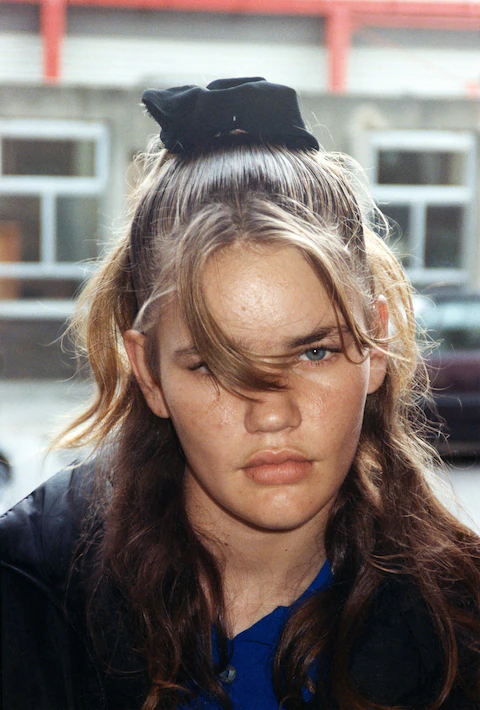
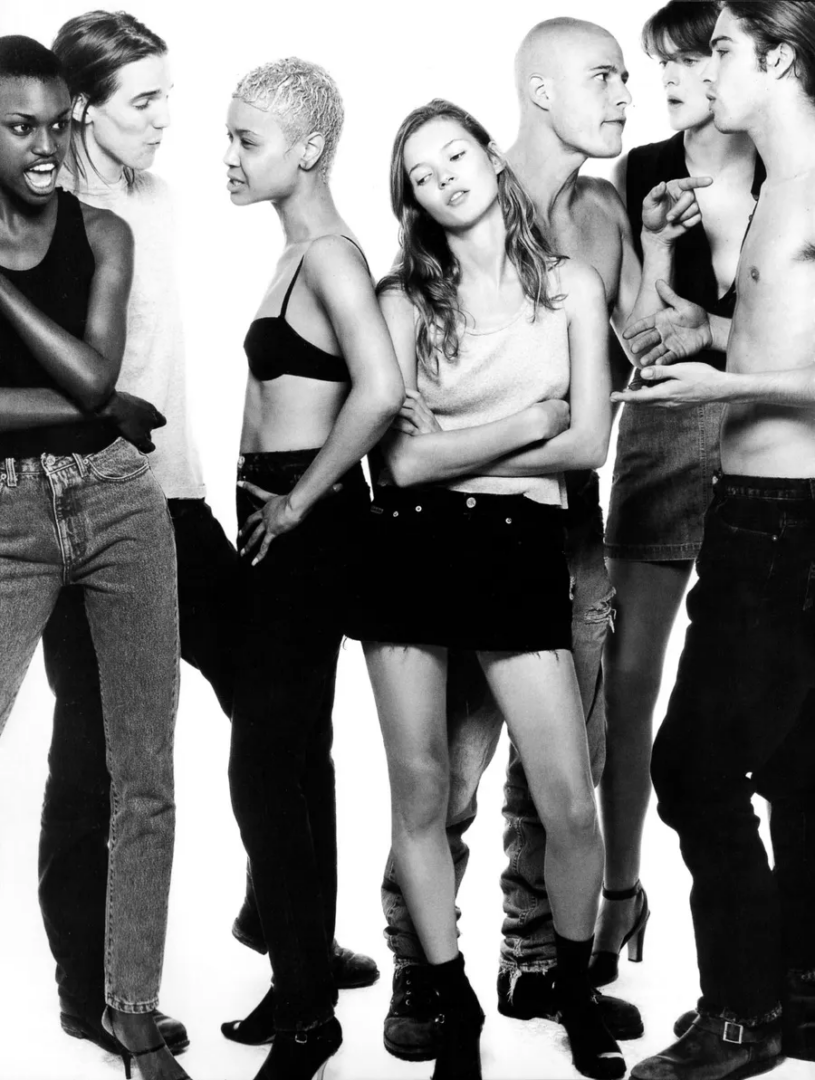
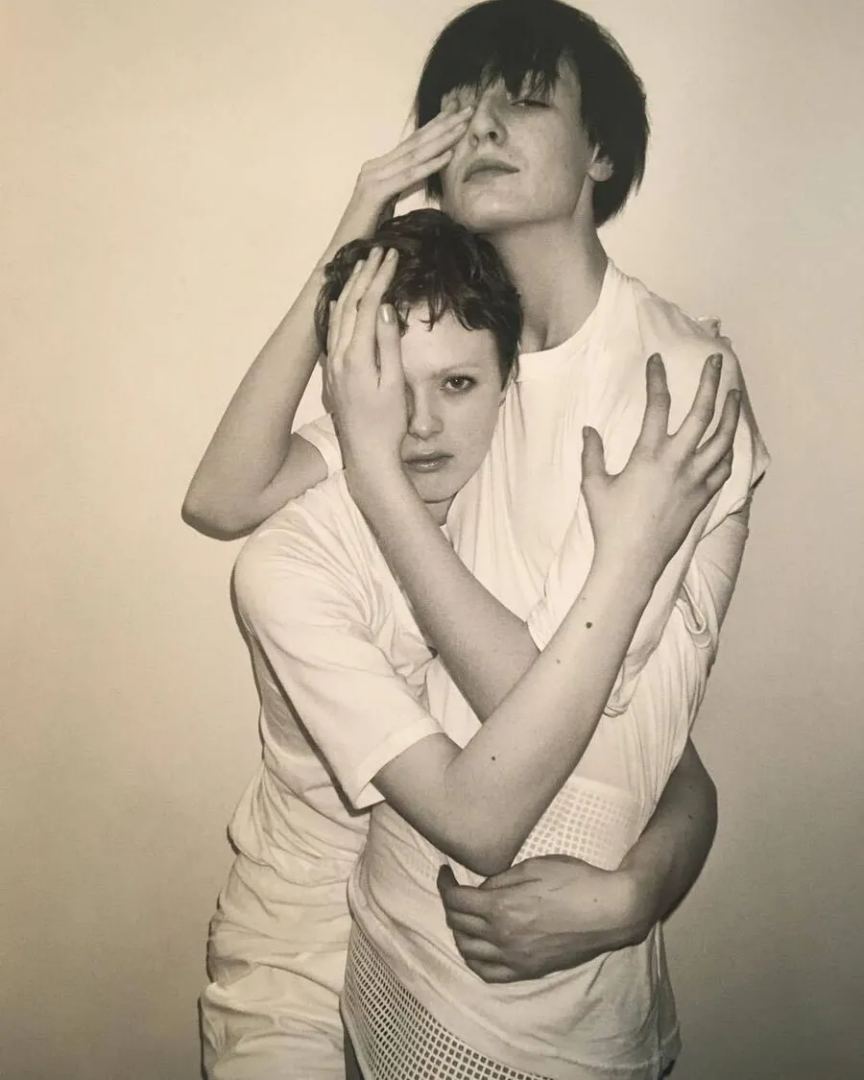
According to Vivienne Westwood, the true endpoint of all this dressing is to end up naked. Except that somewhere along the way we forgot about sex appeal. The attitude of someone who lives sex and sexuality naturally. Without constriction. What Calvin Klein’s creative director Veronica Leoni calls sexitude. The concept seeps through certain images from the first CK One fragrance campaign, shot in 1994 by Steven Meisel. Kate Moss, Stella Tennant, and Jenny Shimizu are portrayed in various states of undress. They are grunge — disheveled, sweaty, hair undone. Slip dresses, too, carry sexitude: garments you slide into, as the etymology suggests, a hedonistic minimalism. A reduction to the essential that implicitly proposes that whoever wears Calvin Klein undresses more easily — Klein and Westwood had this in common. Ad campaigns featuring midi skirts from bureaucratic offices worn with a lace bra on top suggested exactly how: you start with the top, which turns out to be superfluous, and then you unbutton the skirt. Sex in fashion is a performance.
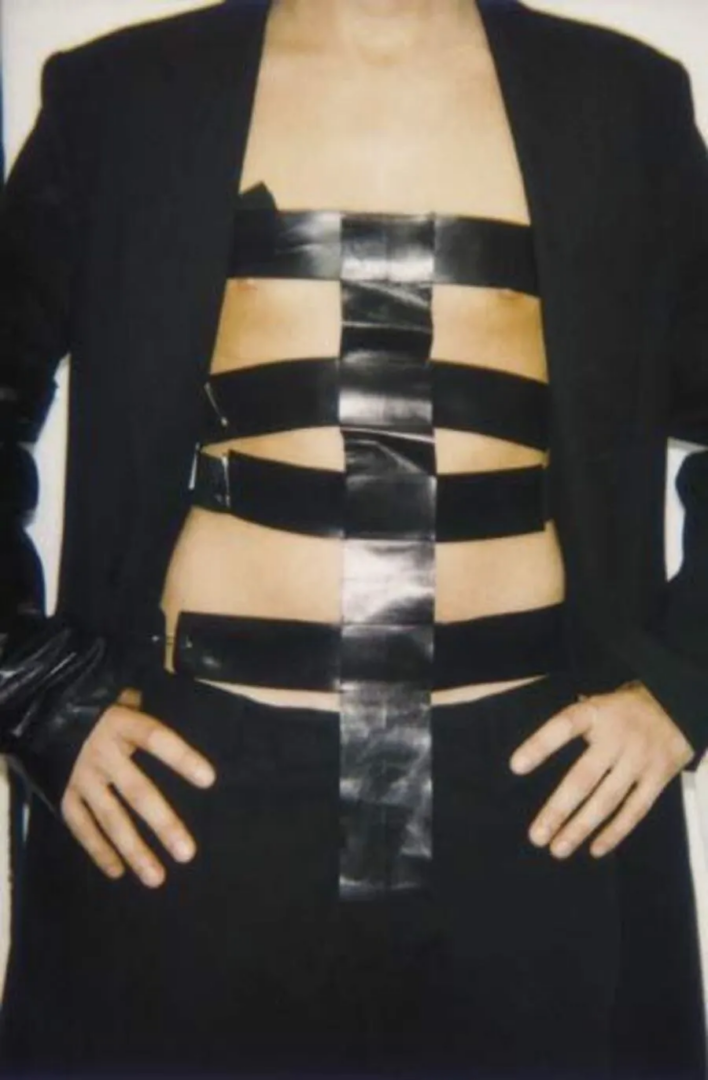
There is a tendency to believe that erotic charge is confined to billboards capable of stopping traffic. But libido can live in a pair of skinny trousers. Sex is in the eye of the beholder. This is why Veronica Leoni claims to want to dominate the fashion market with a black turtleneck. Reducing to the essential can be frightening: when only the clothes remain, the king is naked. Corsets, straps, body chains, and push-ups can suggest physical desire by compressing the body. But so can a veil of silk shaped by the body beneath it. In the Nineties — the decade of sex and unisex — this was the norm. Androgyny was the operative word.
No sex, we’re British: unisex is the sex that sells
March 1997. Journalist Hilary Alexander of the International Herald Tribune is covering the opening of London’s most posh new store. The fashionable crowd is stuck together with sweat, pressed against the entrance. A delicate hand reaches past Alexander’s shoulder to grab a canapé. The nails are metallic blue. The fingers are adorned with silver rings shaped like tiny bells. The wrists are wrapped in the pink of an angora sweater. Alexander wonders: is it a boy? Is it a girl? The answer she arrives at: unisex is the sex that sells. The boutique in question is Browns Focus, on South Molton Street. Here there are no men’s and women’s sections: everyone chooses from the same rails of shirts, unfussy T-shirts, and clean-cut trousers. Among the brands: Calvin Klein, whose testosterone-charged advertising had spread like a computer virus through media, music, and finally into the high-end mainstream. Browns Focus belongs to that last category.
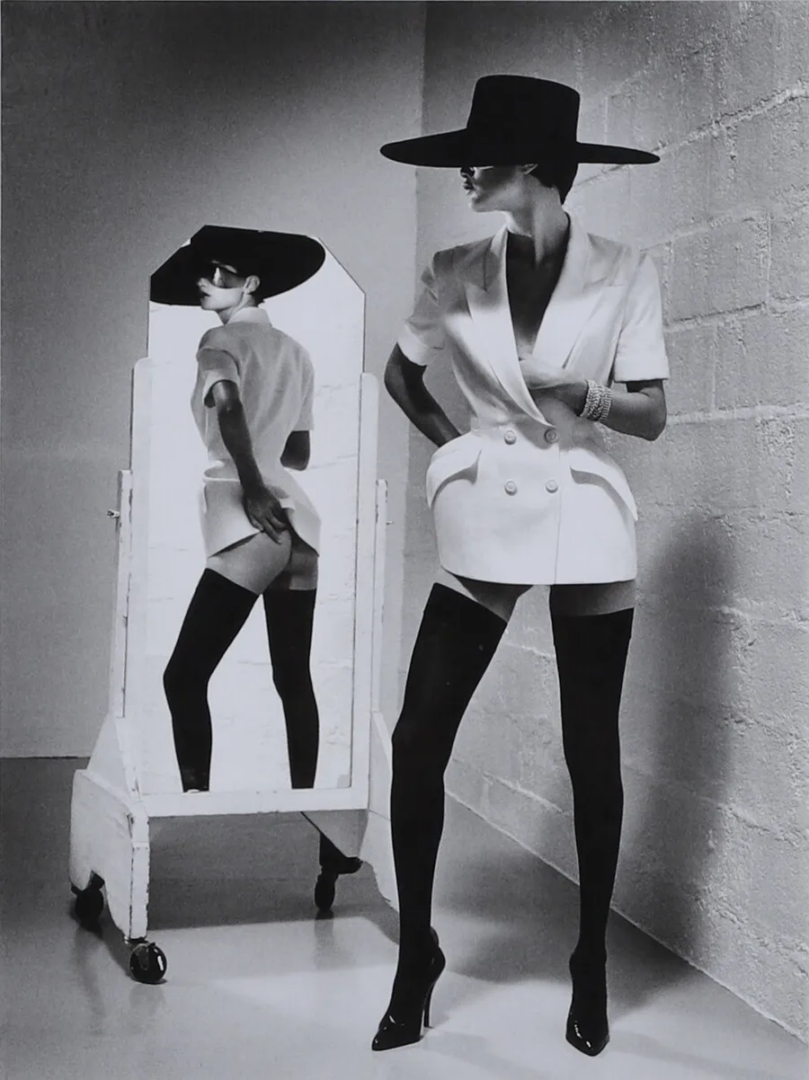
Britpop icons like Jarvis Cocker of Pulp and Brett Anderson of Suede. The slogan was: no sex, we’re British. Among the brands: Nobuhiko Kitamura’s kitsch-Japanese label, Lilly Pulitzer’s irreverent Palm Beach Chic line, and Helmut Lang denim. While Browns Focus was inaugurating its opening, the streets outside were crossed by red double-decker buses with a giant Linda Evangelista in a white tank top running along their flanks. She was kissing a masculinized version of herself reflected in a mirror.
John Galliano for Christian Dior and Alexander McQueen for Givenchy: gluteal tightness against shapeless khaki
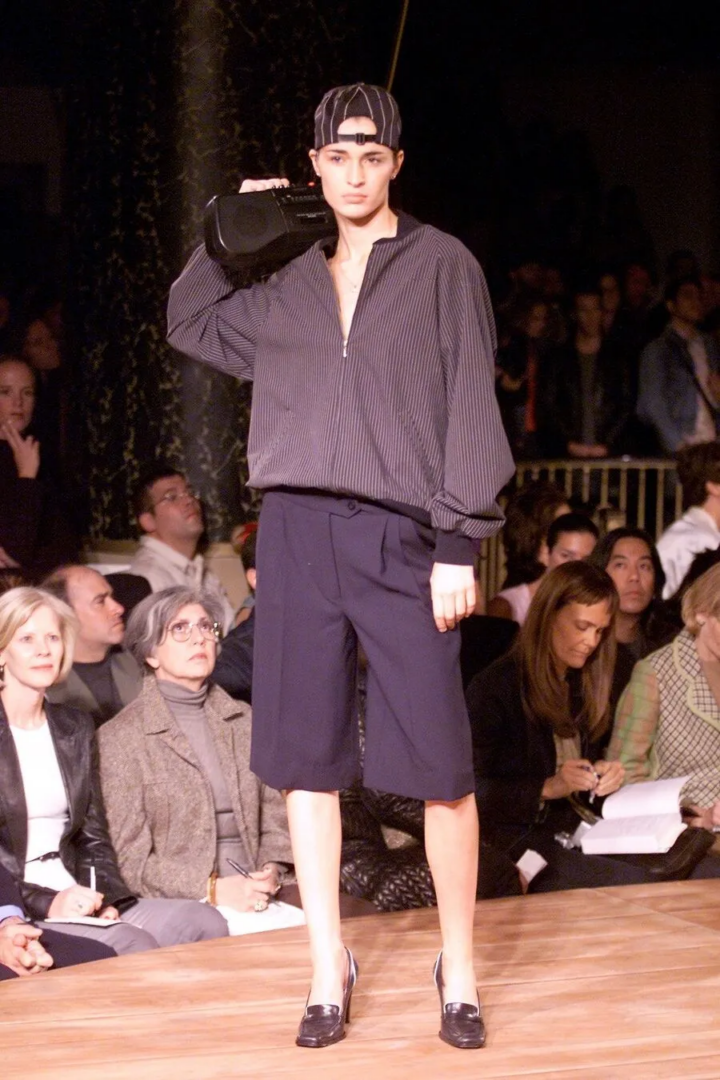
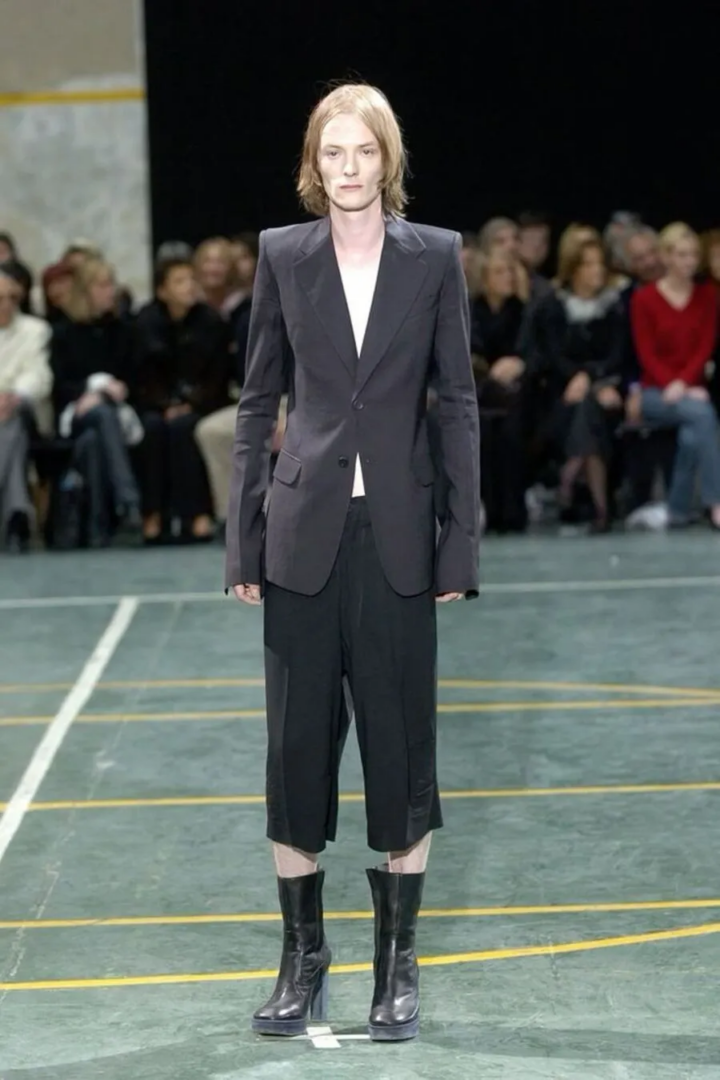
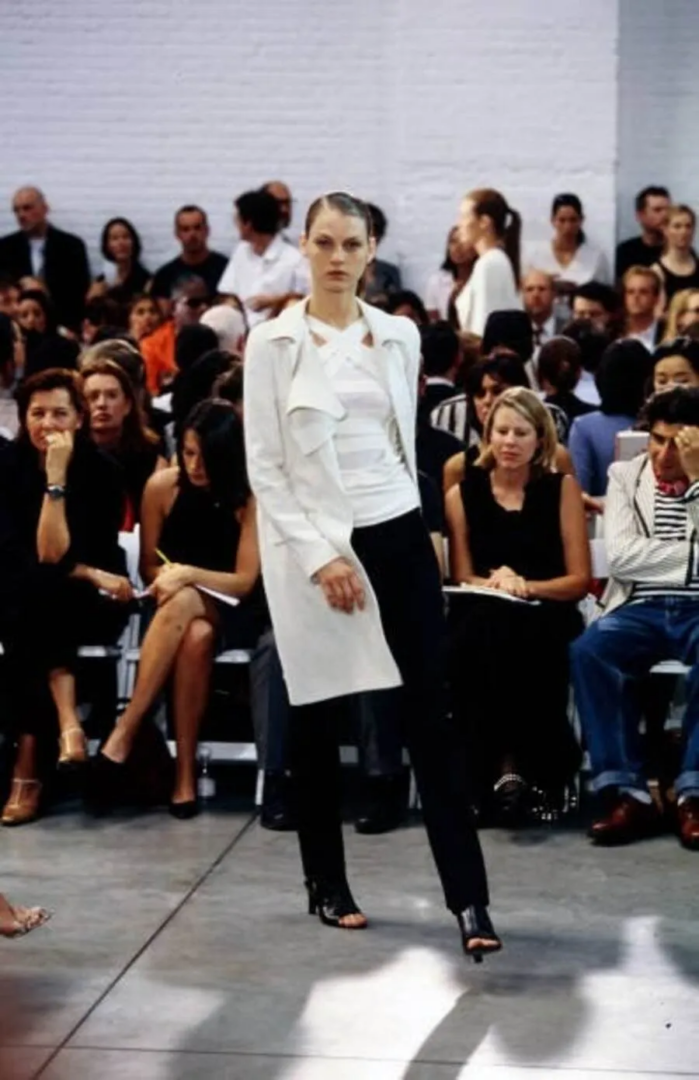
What results on the runway are often hybridizations of stereotypes. Military khaki trousers with rhinestone trim. Or narrow masculine-cut trousers with plunging tank tops and chiffon draping. Clash. This is precisely why the most innovative shows of androgynous Nineties Paris were those of John Galliano for Christian Dior and Alexander McQueen for Givenchy — designers who place at their center a woman who loves being one so completely that she has no interest in shedding her ornaments to look like the girl-next-door in jeans and a tank top. Galliano and McQueen upheld the religion of heels, miniskirts, and body-conscious cuts against shapeless khaki. Much like grunge the moment it attempted to translate itself into expensive labels, androgyny had a short lifespan in the jungle of fashion: when something can be replicated too easily by raiding bins of deadstock or discarded menswear, it ceases to be a style.
Sex-less design and unisex avant-garde: fashion’s great restyling
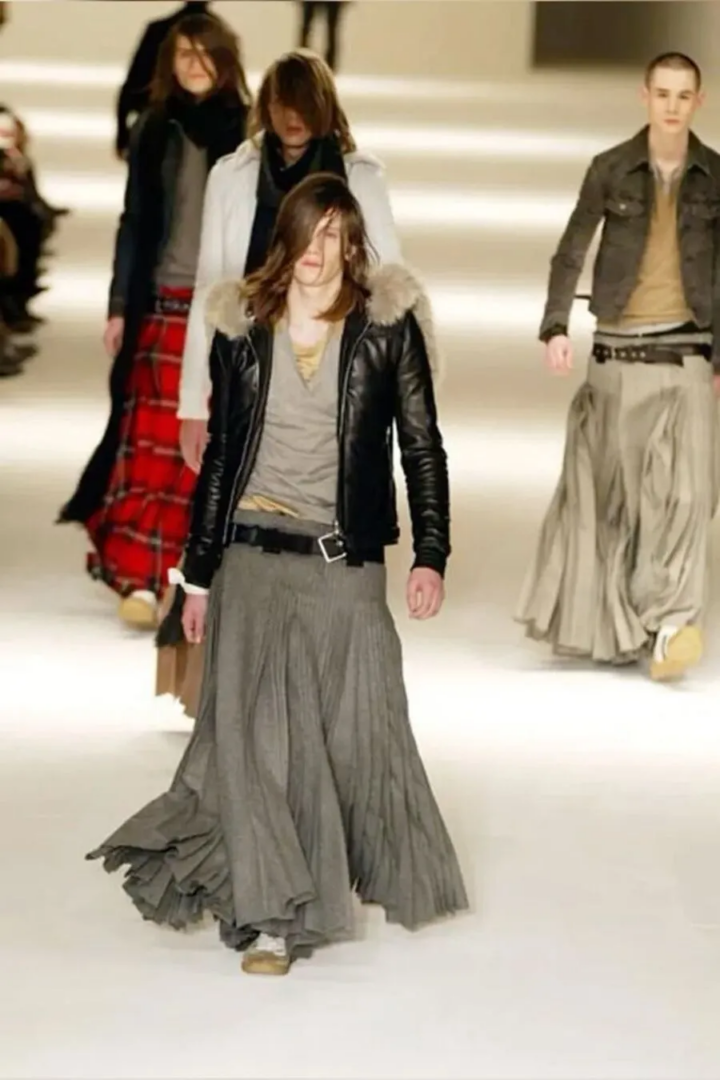
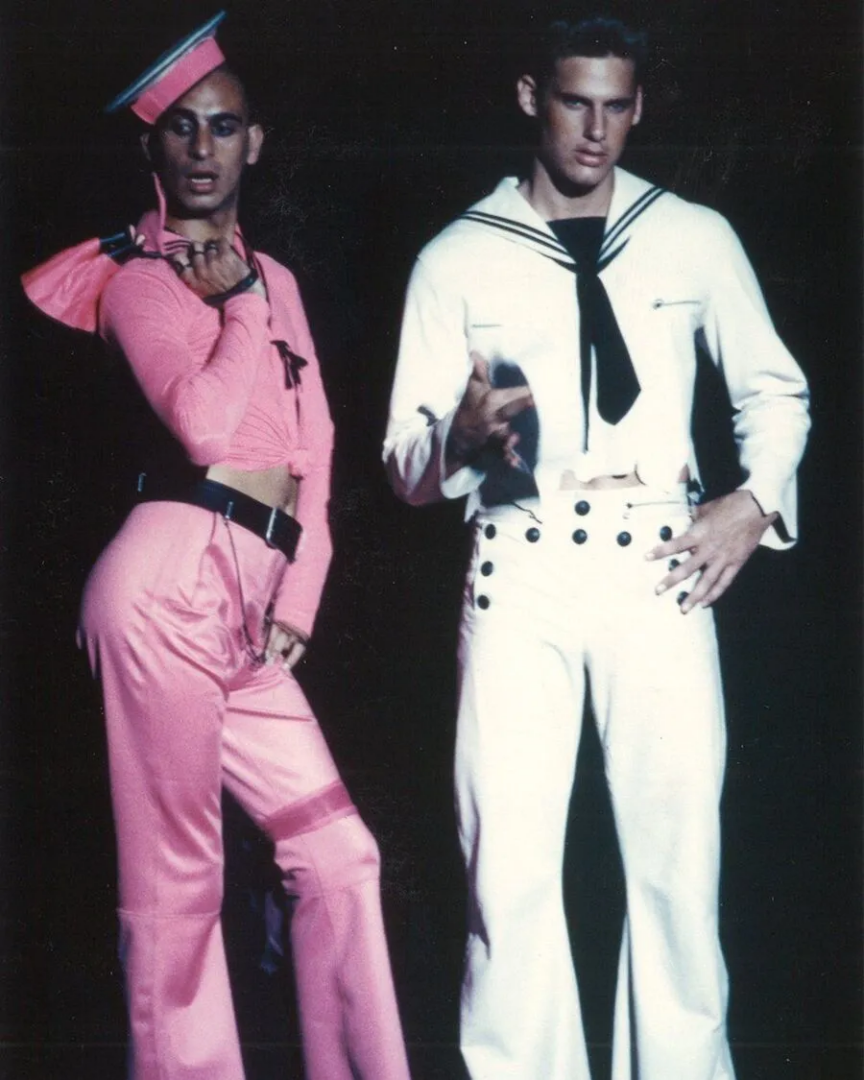
Sex-less design and unisex avant-garde. A new lexicon for women in flannel lumberjack shirts and combat boots, and men in cropped suits and housecoats. A gender-free fashion restyling that has so far proved more effective as a marketing instrument than as a commercial revolution. University of Maryland professor Jo Paoletti argues in Sex and Unisex: Fashion, Feminism, and the Sexual Revolution that part of the appeal of adult unisex fashion resides in the contrast between the wearer and the garment itself. Consider the new millennium’s men’s underwear — action bikinis and sling-support models. On the invention, Bob Mazzoli, Calvin Klein’s first chief creative director for the underwear line, said: “I don’t think any of us ever consciously said ‘We will show the genitals.’ It simply seemed like the right thing to do.” Then there are Frigo No. 1, launched in Sweden in 2012 at one hundred dollars a pair — the first underwear garment fitted with an internal mesh pocket suspended by elastic bands, adjustable to accommodate the varying anatomical characteristics of the male body. A bra, essentially, with a single cup. Laser-cut ventilation openings along the lower section promote airflow.
A sex-neutral utopia. La Mode: “Ce n’est pas possible”
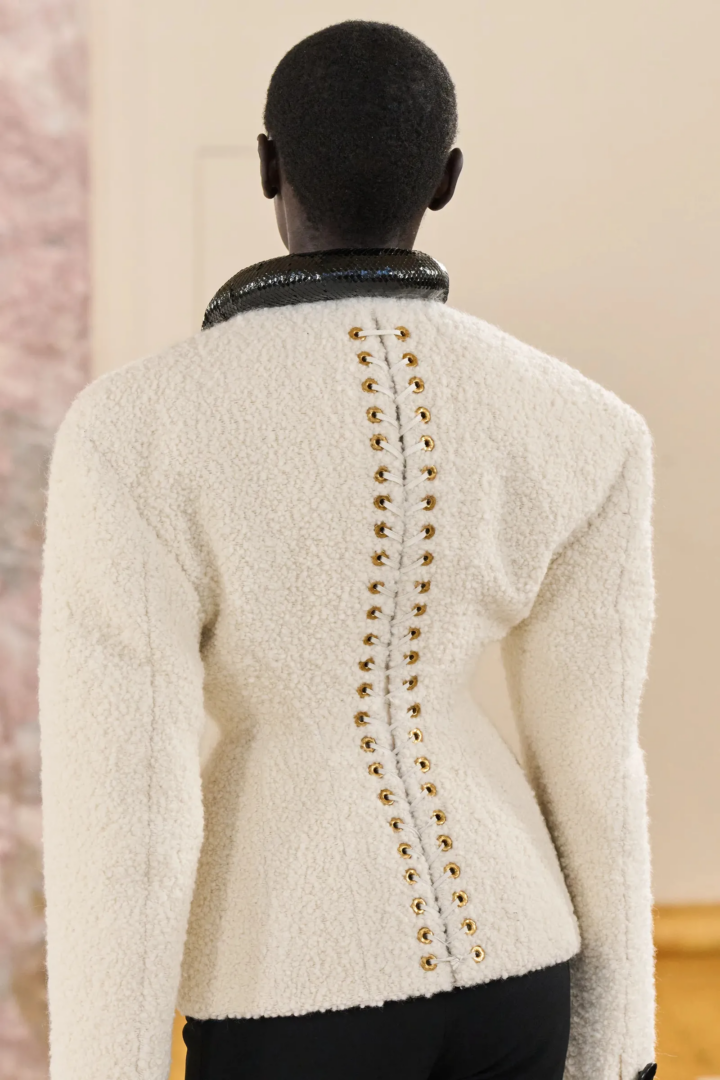
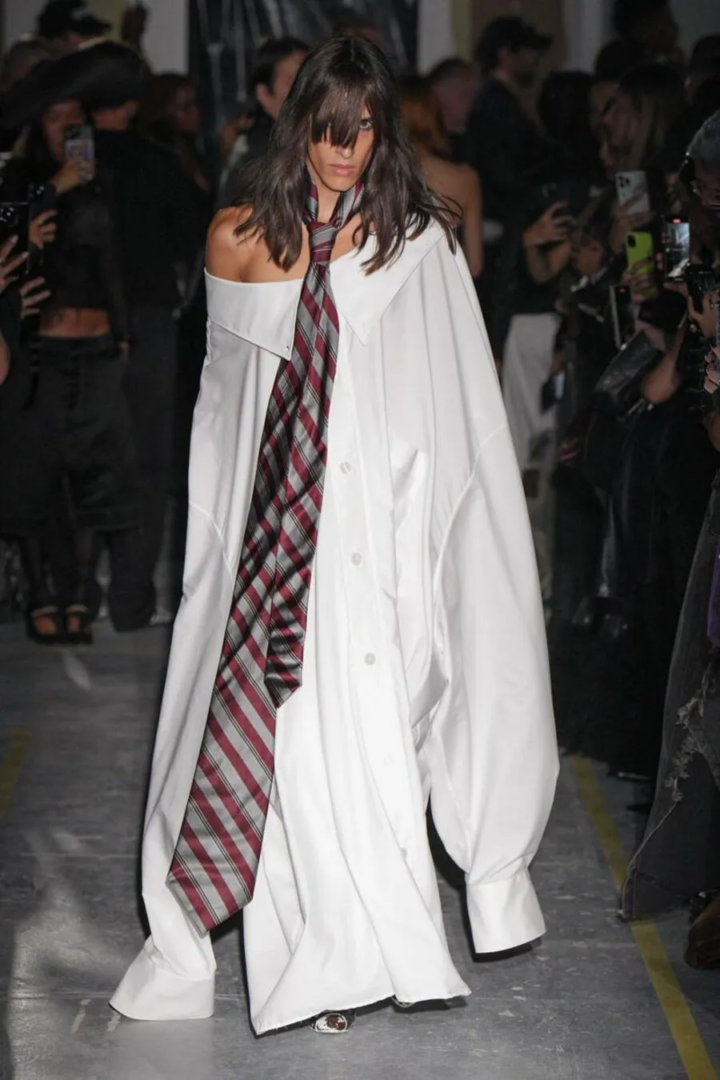
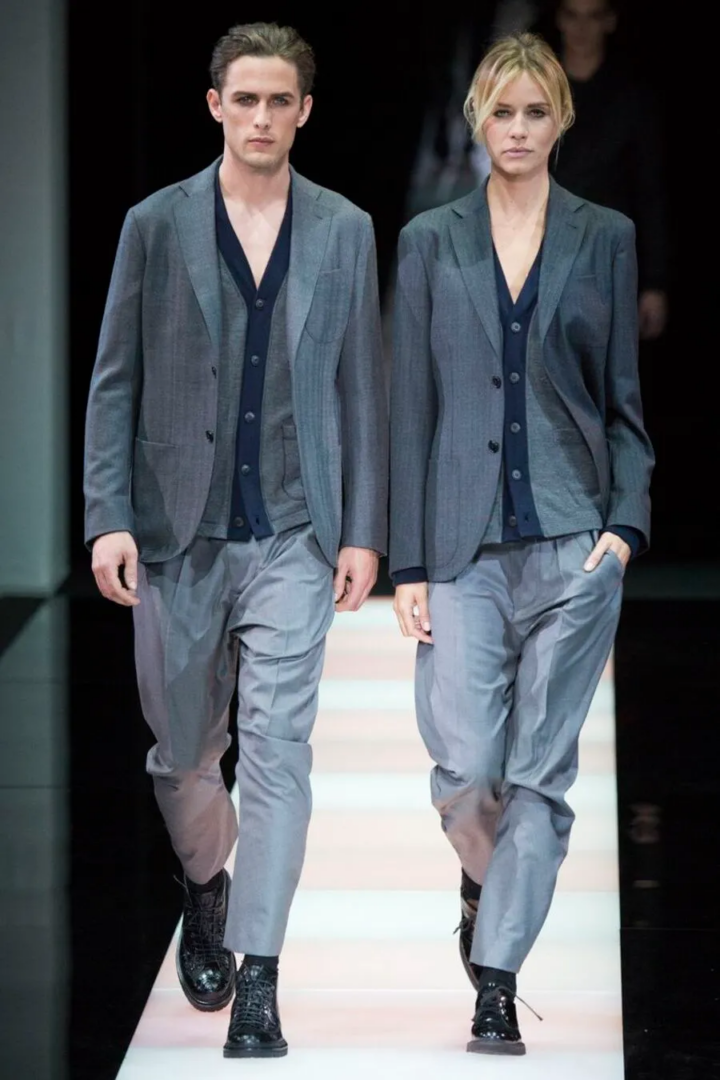
The inventors of Frigo No. 1, the Calvin Klein creatives, and Rudi Gernreich — inventor of the monokini and the unisex thong — all attempted to imagine a sex-neutral utopia populated by tunics, tights, and briefs adaptable to any anatomy. Yet however technically unisex, these garments naturally reveal the sex of whoever wears them. In practice, unisex — however avant-garde or technologically refined — has made women’s clothing more masculine, not the reverse. Until now, perhaps. The most recent haute couture collections have said something. If fashion is a seismograph of the present that registers tremors before they reach the rest of society, the skirt suits for him and for her at Prada, the washed taffeta in brilliant purple-green for him and for her at Valentino, and similar acts of gender agnosticism could signal a potentially significant shift.
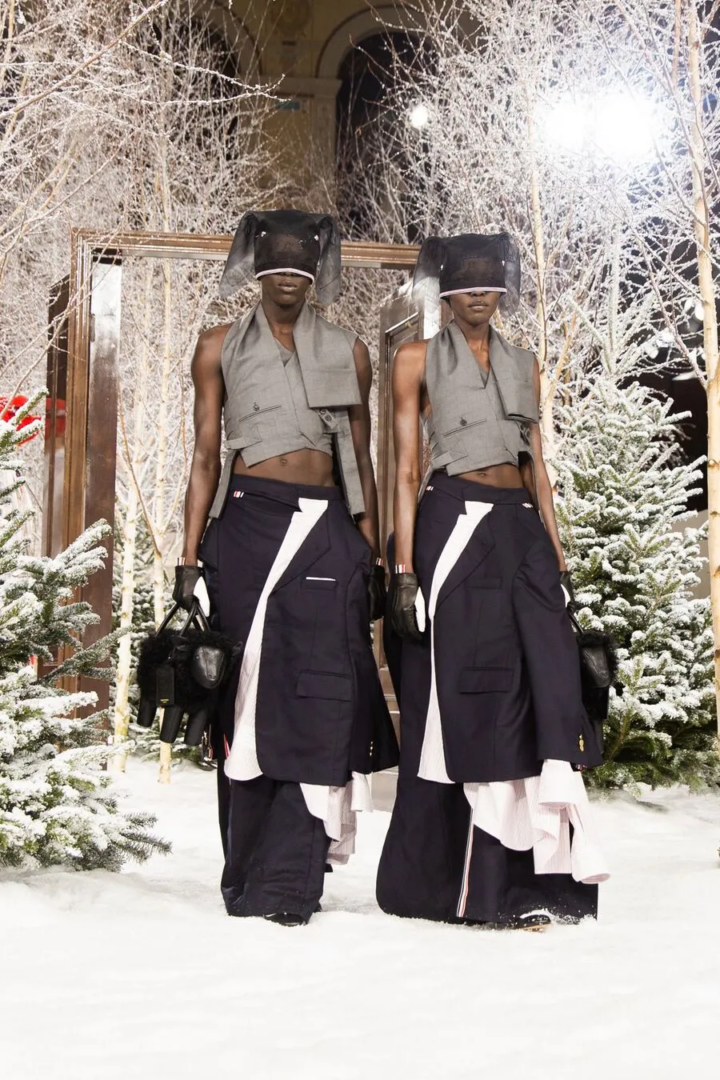
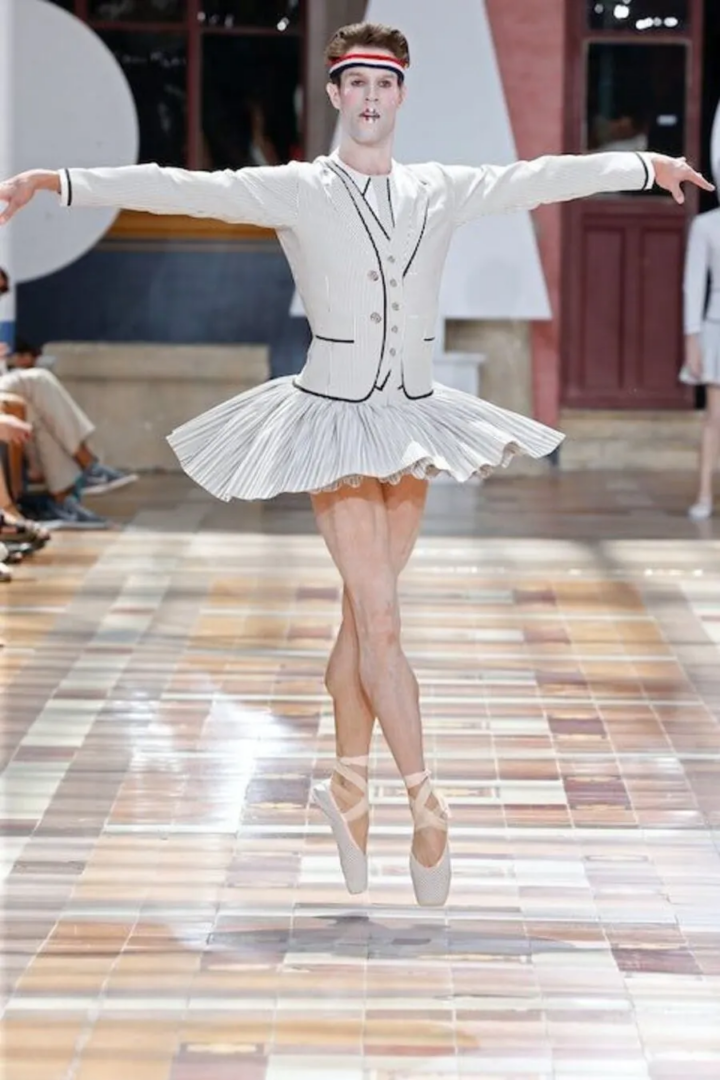
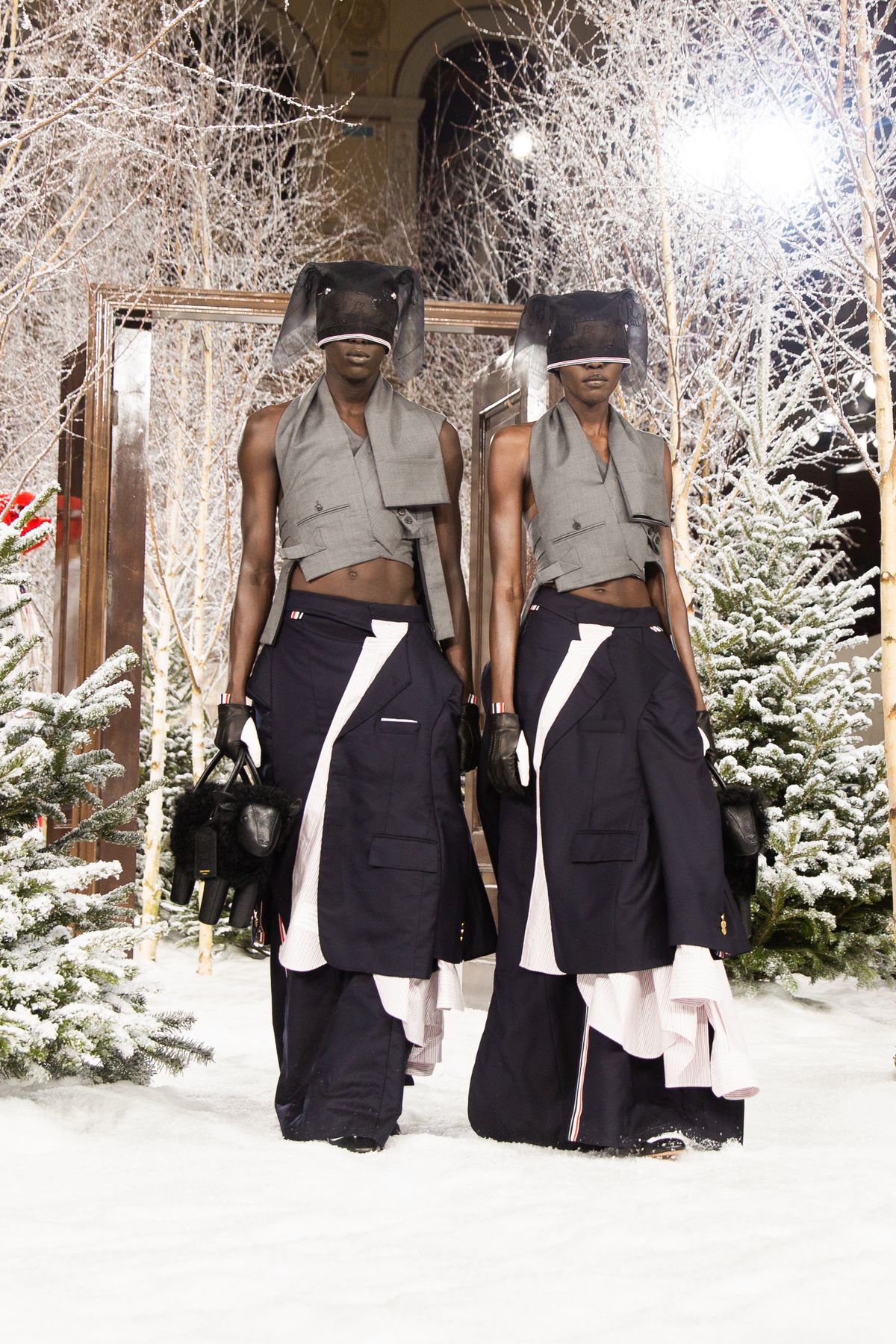
Vanessa Friedman has asked whether this might be, a hundred years on, the natural endpoint of the journey begun in the Twenties by Mademoiselle Chanel. Palomo Spain’s skirts will not be arriving on Wall Street any time soon. Yet every time designers sidestep traditional gender signals, they are issuing sociopolitical updates. Where most designers committed to genderless fashion — Rick Owens and Thom Browne among them — have until now favored sober, Matrix-dystopia aesthetics, the latest radical post-gender vision is an optimistic science. In the Seventies and Eighties, Yves Saint Laurent’s androgynous edge was encapsulated in a Helmut Newton photograph of a woman in a tuxedo in a Parisian underpass — a look that presaged the wave of women who would hope to climb boardroom walls. Jacob Elordi wearing a women’s Chanel jacket from the SS26 show — the kind of garment that, on him, reads not as provocation but as obviousness — is perhaps the clearest proof. An example of fashion making fashion: carrying forward not just trends, but ideas and provocations. Destigmatizing sex is an idea.
Stella Manferdini